
Tradition Without Stagnation
Few words carry as much weight in luxury as tradition. It appears in conversations about craftsmanship, heritage, provenance and quality. Collectors are naturally drawn to traditions because they represent continuity. They provide evidence that a philosophy has endured long enough to prove its value. Yet tradition presents a challenge that every luxury house must eventually confront. A tradition that never evolves risks becoming irrelevant, while a tradition that changes too quickly risks losing the very identity that made it meaningful in the first place.
The most respected luxury houses navigate this tension exceptionally well. They understand that tradition is not a destination to be preserved in perfect isolation. It is a foundation upon which future improvements can be built. Their objective is not to replicate the past indefinitely, nor is it to abandon it in pursuit of novelty. Instead, they seek to refine what already works. The result is a form of innovation that feels natural rather than disruptive. Collectors recognise this instinctively because the object retains a clear connection to its origins while demonstrating an ongoing commitment to improvement.
This distinction helps explain why certain luxury houses remain relevant across generations. Their identities remain recognisable even as their methods evolve. Materials improve, technologies advance and processes become more sophisticated, yet the underlying philosophy remains intact. Innovation becomes a continuation of tradition rather than a rejection of it. The past provides direction, while the future provides opportunity.
Tradition and refinement in whisky
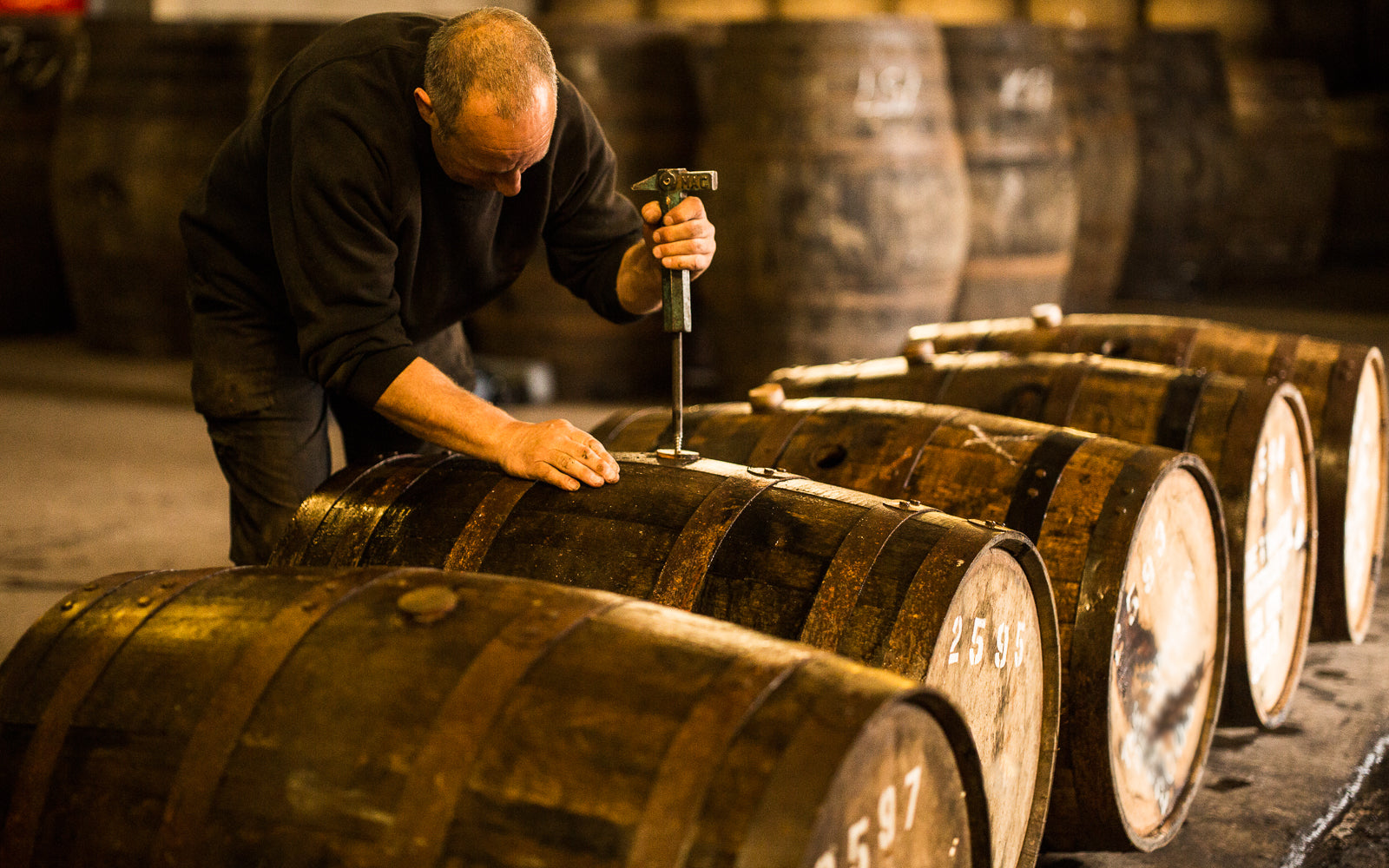
Whisky offers a particularly compelling example of this relationship. The fundamental principles of whisky production have remained remarkably consistent for centuries. Grain is fermented, distilled and matured in oak. Yet within this familiar framework, countless refinements continue to emerge. Advances in cask management, deeper understanding of maturation, improved provenance documentation and more sophisticated approaches to flavour development have all influenced the category without fundamentally altering its identity. The spirit remains recognisably whisky, even as the methods surrounding its creation continue to evolve.
At The Baroque Single Malt Whisky Company, this philosophy informs how we think about innovation. We have tremendous respect for the traditions that define Single Malt whisky. They provide the foundation upon which the entire category is built. At the same time, we believe that tradition should remain active rather than static. Respecting the past does not require replicating it without question. Instead, it requires understanding why particular practices emerged and determining how they can be refined in ways that remain faithful to their original purpose. Our creation process sets out where we hold to convention and where we refine it.
Refining method for a new climate
Australia's climate provides an excellent example of this dynamic. Traditional whisky producing regions developed their own approaches in response to their local environments. Those practices remain highly effective within the contexts that shaped them. However, Australian maturation conditions introduce a different set of variables. Expansion and contraction within the barrel often occur more aggressively, influencing the relationship between spirit and oak. Understanding these dynamics creates opportunities to refine maturation strategies while remaining firmly grounded in traditional principles. The objective is not to abandon established wisdom. It is to apply that wisdom thoughtfully within a different environment.
As discussed in Objects Designed to Age Gracefully and The Geography of Value, climate is not merely a background condition. It is an active participant in the development of whisky. For Baroque, recognising this reality has encouraged a deeper focus on maturation architecture and provenance. Rather than treating maturation as a passive waiting period, we view it as a process that can be understood, monitored and guided through informed decision making. This approach reflects innovation, but it remains firmly rooted in traditional whisky making principles. The spirit still relies upon time, oak and patience. The difference lies in how those elements are interpreted and managed.
The same philosophy applies to cask selection. Throughout whisky history, casks have played a central role in shaping flavour and character. What continues to evolve is our understanding of how different cask histories, oak species and maturation environments interact. The Premium Range and Exceptional Cask Collection are built around this belief. Each release represents an exploration of provenance and maturation, informed by traditional principles yet guided by contemporary understanding. The objective is not experimentation for its own sake. The objective is refinement.
Why collectors value refinement over reinvention
Collectors are often particularly receptive to this approach because they tend to value continuity as much as innovation. Novelty alone rarely sustains long term interest. Objects become meaningful when they reveal a clear relationship between past and present. Collectors appreciate knowing that innovation serves a purpose rather than existing merely to attract attention. They seek evidence that change is enhancing quality rather than replacing identity.
This preference for refinement over reinvention appears throughout luxury culture. The most admired objects often evolve gradually. Their improvements are cumulative rather than revolutionary. Over time, small refinements accumulate into meaningful progress while preserving the characteristics that made the object desirable in the first place. This process may appear less dramatic than constant disruption, but it often produces more enduring results. Collectors recognise that continuity and improvement are not opposing forces. When managed thoughtfully, they become mutually reinforcing.
The Baroque Journal exists partly to document this way of thinking. Articles throughout the series explore different aspects of the philosophy that guides the house. Together, they reveal a consistent theme. Progress is most meaningful when it strengthens rather than weakens identity. Innovation becomes valuable when it deepens understanding, improves quality or enhances appreciation without severing the connection to what came before.
The Allocation Registry reflects a similar philosophy. While it provides access to future releases and evolving opportunities, it also creates continuity between collectors and the ongoing development of the house. Collectors become participants in a story that is still being written. They witness how ideas evolve, how standards are refined and how the identity of the house continues to develop over time. This ongoing relationship creates a deeper connection than individual releases alone could provide.
Tradition as a living legacy
One of the greatest misconceptions about tradition is that it exists in opposition to progress. In reality, the strongest traditions often emerge precisely because they remain adaptable. They survive because they can absorb new knowledge without losing their core identity. A tradition that cannot evolve eventually becomes a relic. A tradition that evolves thoughtfully becomes a legacy.
At The Baroque Single Malt Whisky Company, we view this balance as essential. Every release should feel connected to the broader philosophy of the house while contributing something new to its story. Every decision should respect the foundations upon which the category was built while recognising the opportunities presented by contemporary understanding. Every innovation should serve a purpose beyond novelty. It should strengthen provenance, improve quality or deepen appreciation.
Ultimately, collectors are drawn to objects that demonstrate both continuity and growth. They value evidence that a house understands where it came from and where it is going. Tradition provides confidence because it reflects accumulated wisdom. Innovation provides excitement because it reflects ongoing curiosity. Together, they create the conditions under which enduring luxury can flourish.
The most respected luxury houses understand this deeply. They do not preserve the past by freezing it in time. They preserve it by carrying its principles forward and allowing them to evolve thoughtfully. In doing so, they ensure that tradition remains alive rather than merely remembered.
For collectors, this is one of the clearest signs of a house with a future. It demonstrates that heritage is being respected, not imitated. It reveals that innovation is being pursued, not for attention, but for improvement. Most importantly, it suggests that the story is still unfolding. In luxury, that may be one of the most compelling qualities an object can possess.
Continue exploring
- Our Creation Process, tradition refined, not replaced
- The Five Cask Types Every Serious Collector Should Know
Leave a comment
This site is protected by hCaptcha and the hCaptcha Privacy Policy and Terms of Service apply.