
The Baroque Journal

How Baroque Whisky Chooses Its Casks
The house commits its best three casks each year to the Exceptional Cask Collection. J.E. Roberts on sourcing oak by appellation, tasting for peak maturity, and why the cask is chosen before the wh...
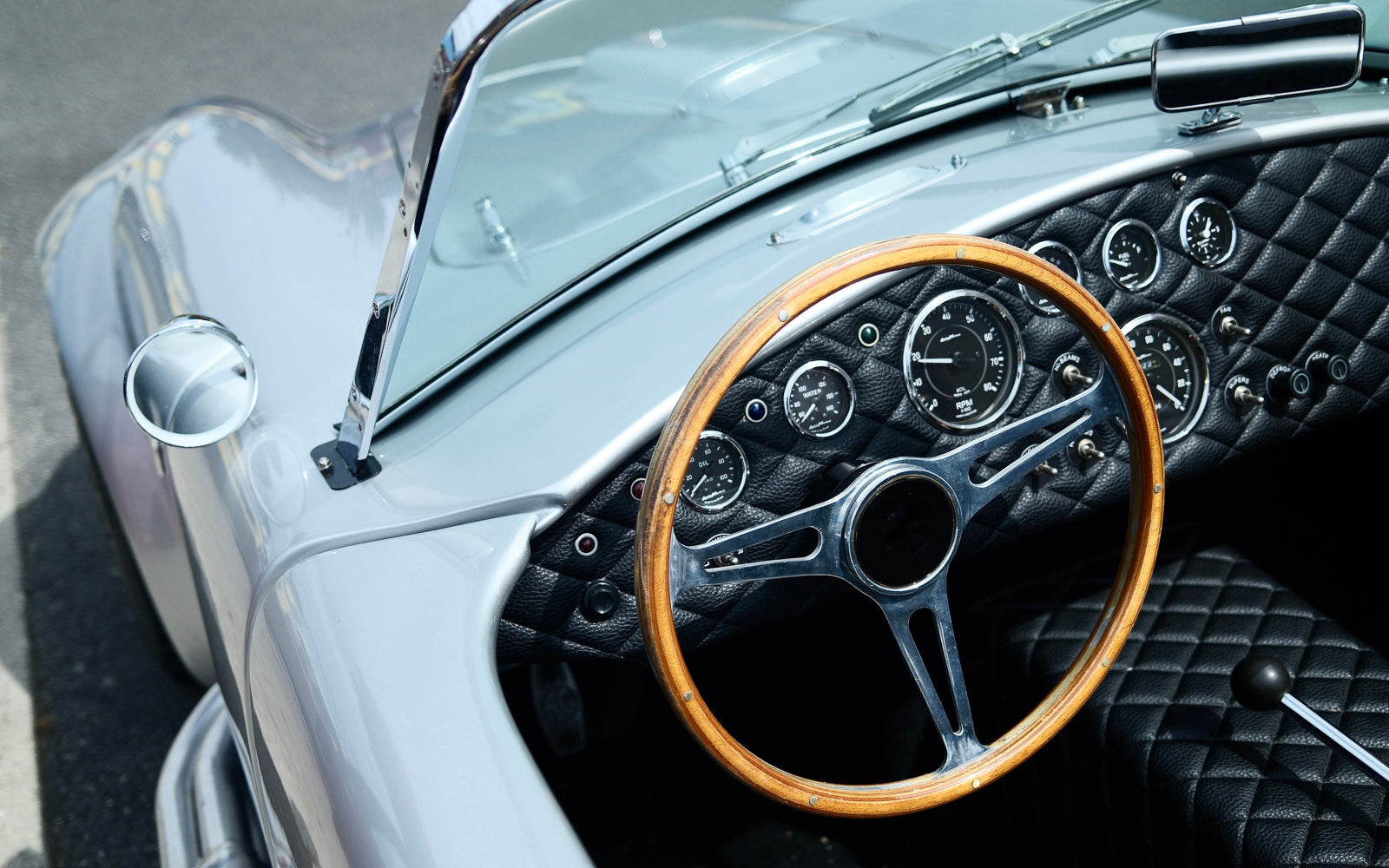
The wooden wheel, the mechanical dial and the single cask whisky share one quality: they ask something of the owner, and reward engagement over convenience.
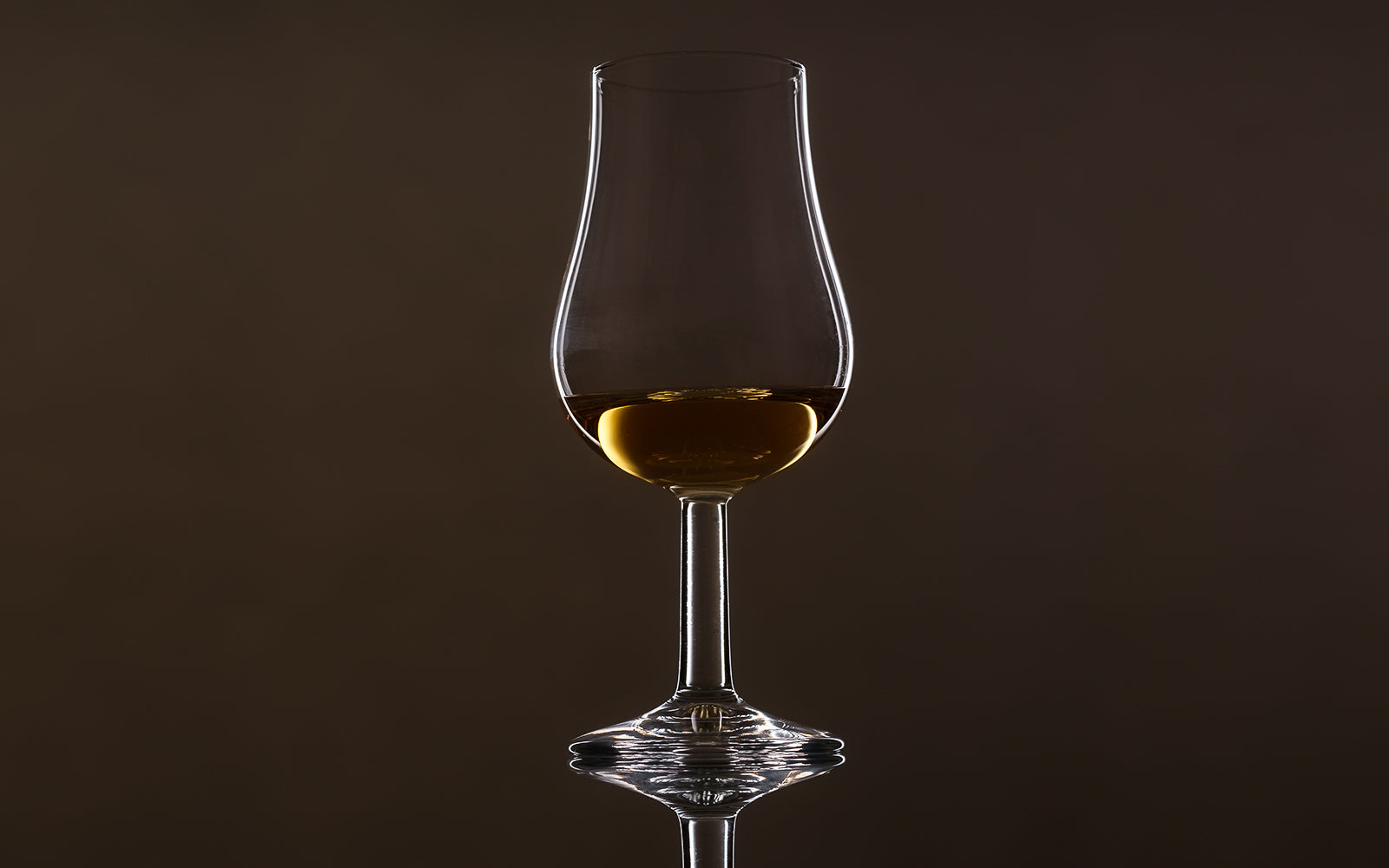
The Quiet Discipline of Nosing
Most of what a whisky says is said before it is tasted. On the unhurried practice of nosing Single Malt, the technique that reveals it, and the trained nose that reads the cask.

Why the Glass Matters: How Shape Shapes the Whisky
The glass is not packaging around the whisky but part of the instrument. How the tulip nosing glass concentrates aroma, and why good design lets a Single Malt reach its full expression.
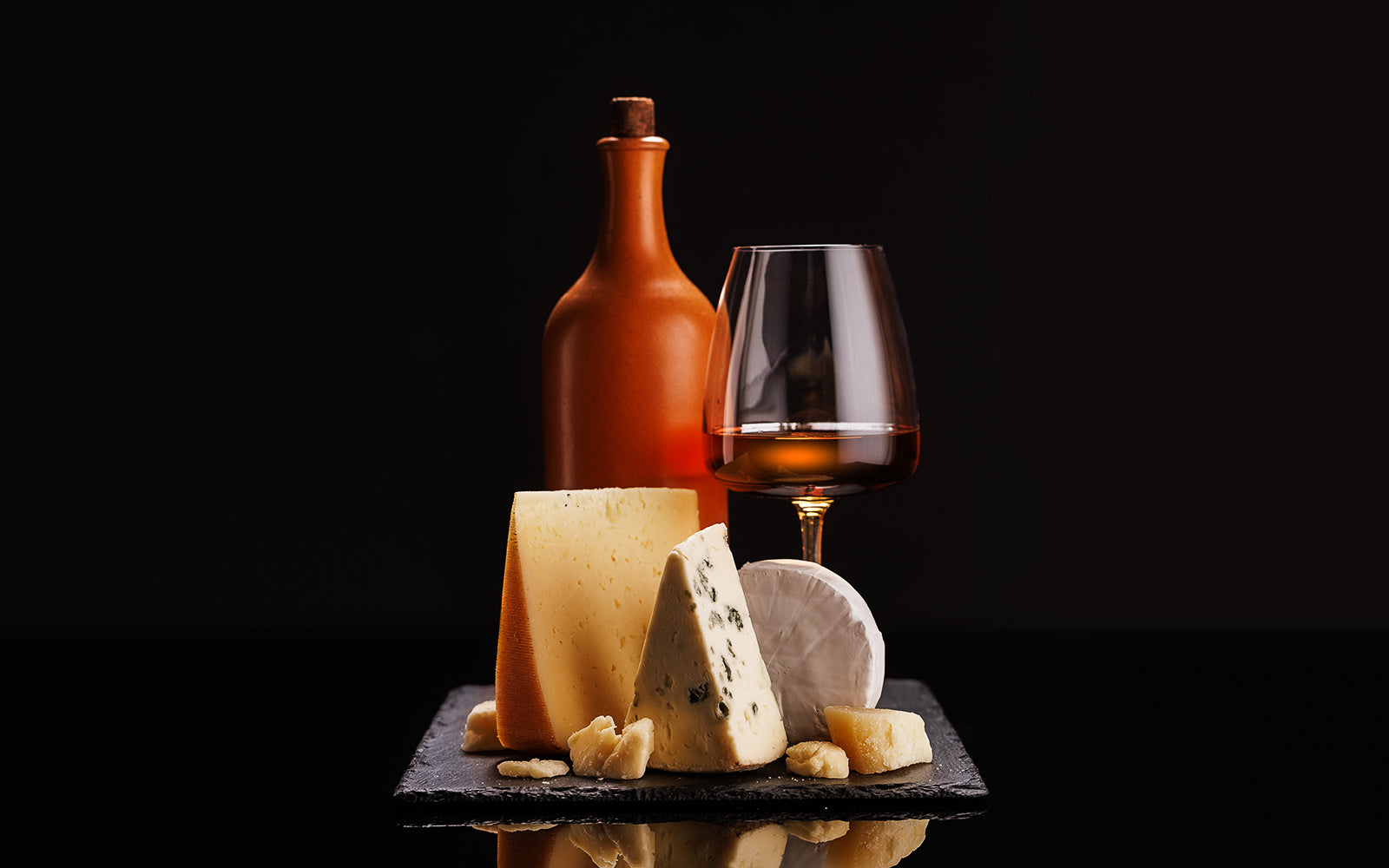
Pairing Single Malt with Chocolate, Cheese and Charcuterie: A Collector's Guide
How to match high-cocoa chocolate, duck liver pate, Daffenois, blue cheese and cured meats to specific cask types, from ex-Bourbon and Tennessee Whiskey to ex-Pedro Ximénez and Antique Tawny.
The Vintage Sports Car and the Single Cask: Two Objects That Reward the Same Obsession
What the vintage car collector and the single cask buyer share: provenance, scarcity, patience and the discipline to hold.
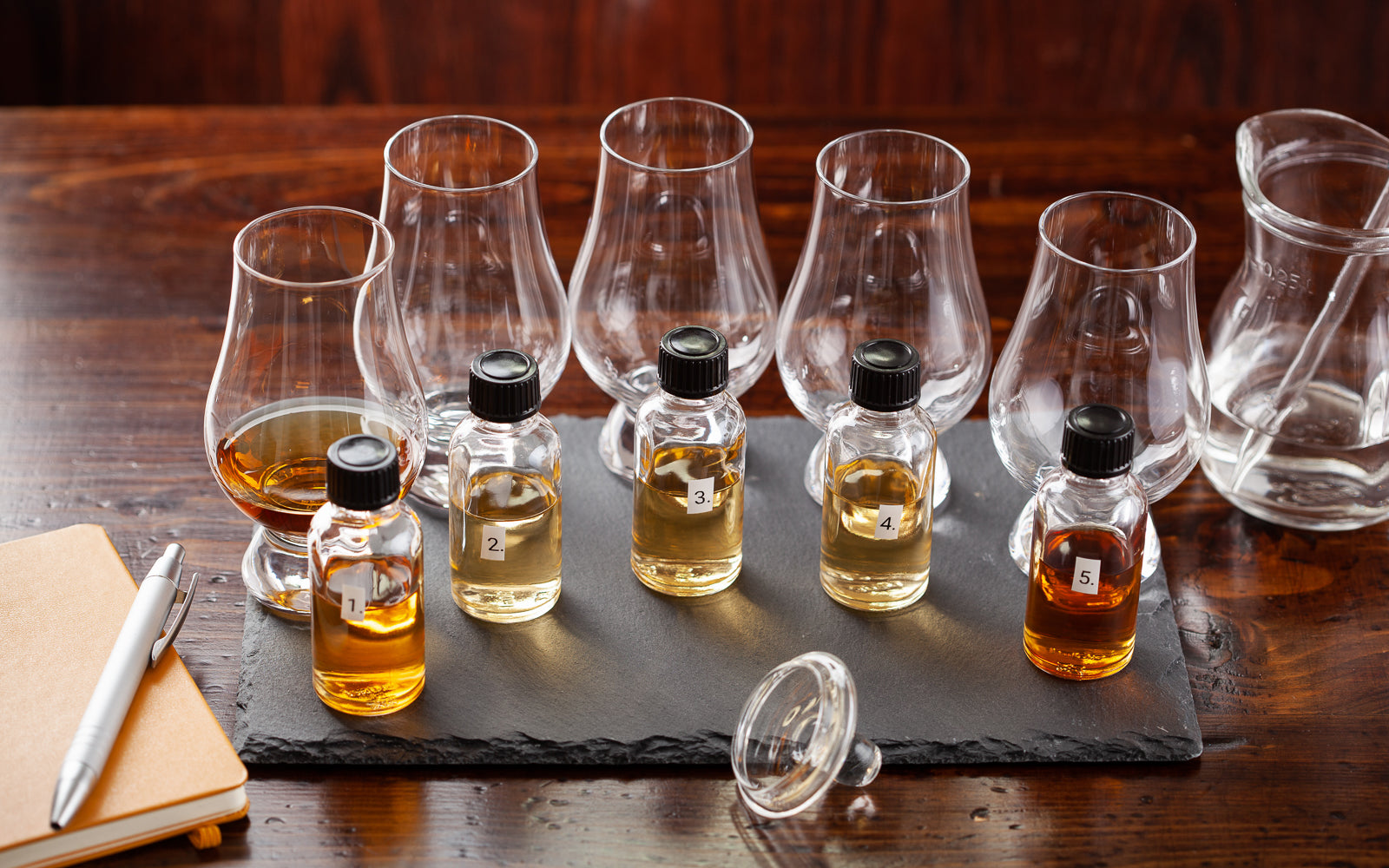
How to Train Your Palate for Single Malt Whisky
Palate is a practice, not a gift: how nosing, dilution, comparative tasting and texture build the sensory memory behind appreciating Single Malt.
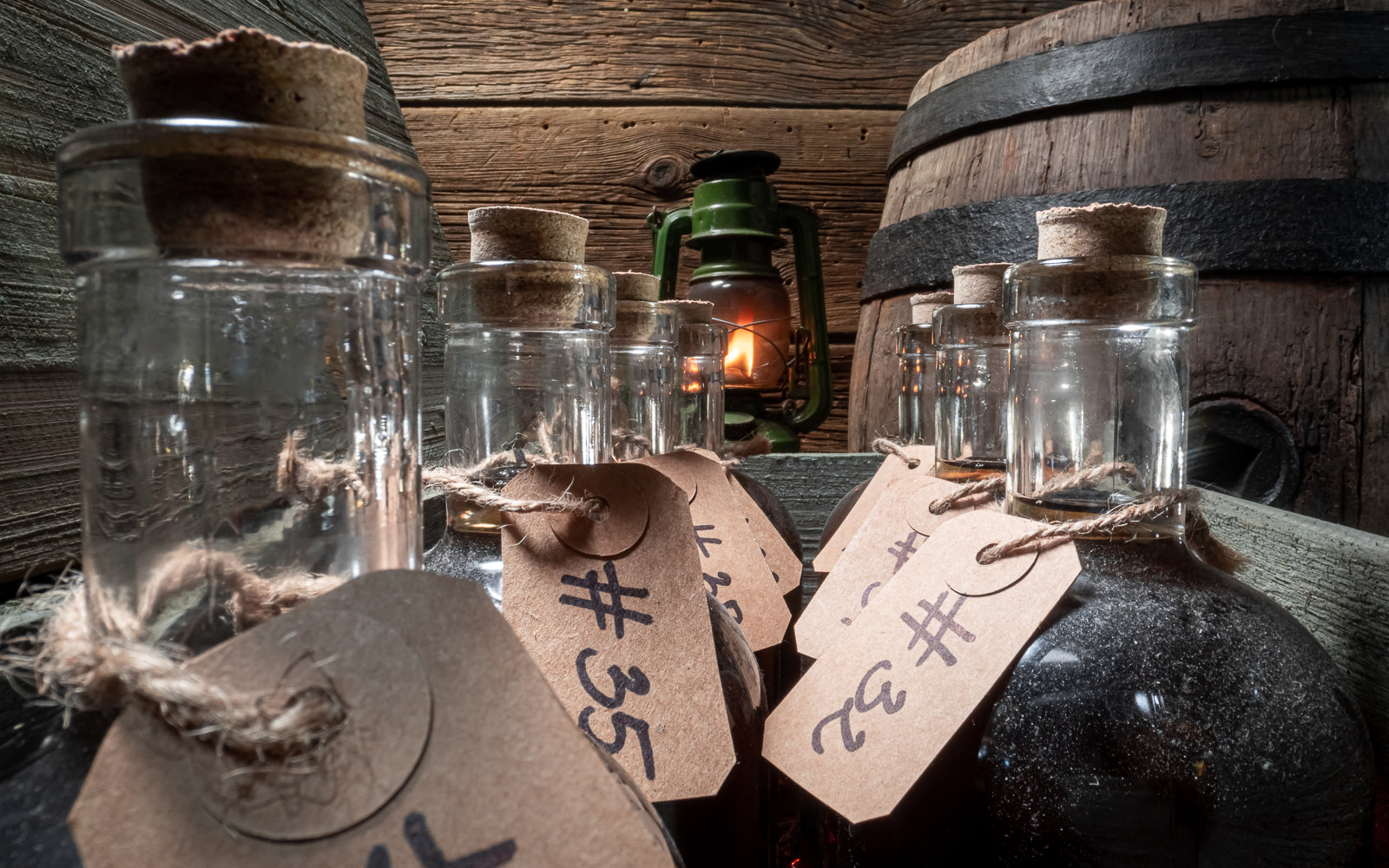
When the Market Begins to Speak
How collector legitimacy, the slow validation by the market, grants a release the authority a house cannot manufacture itself.
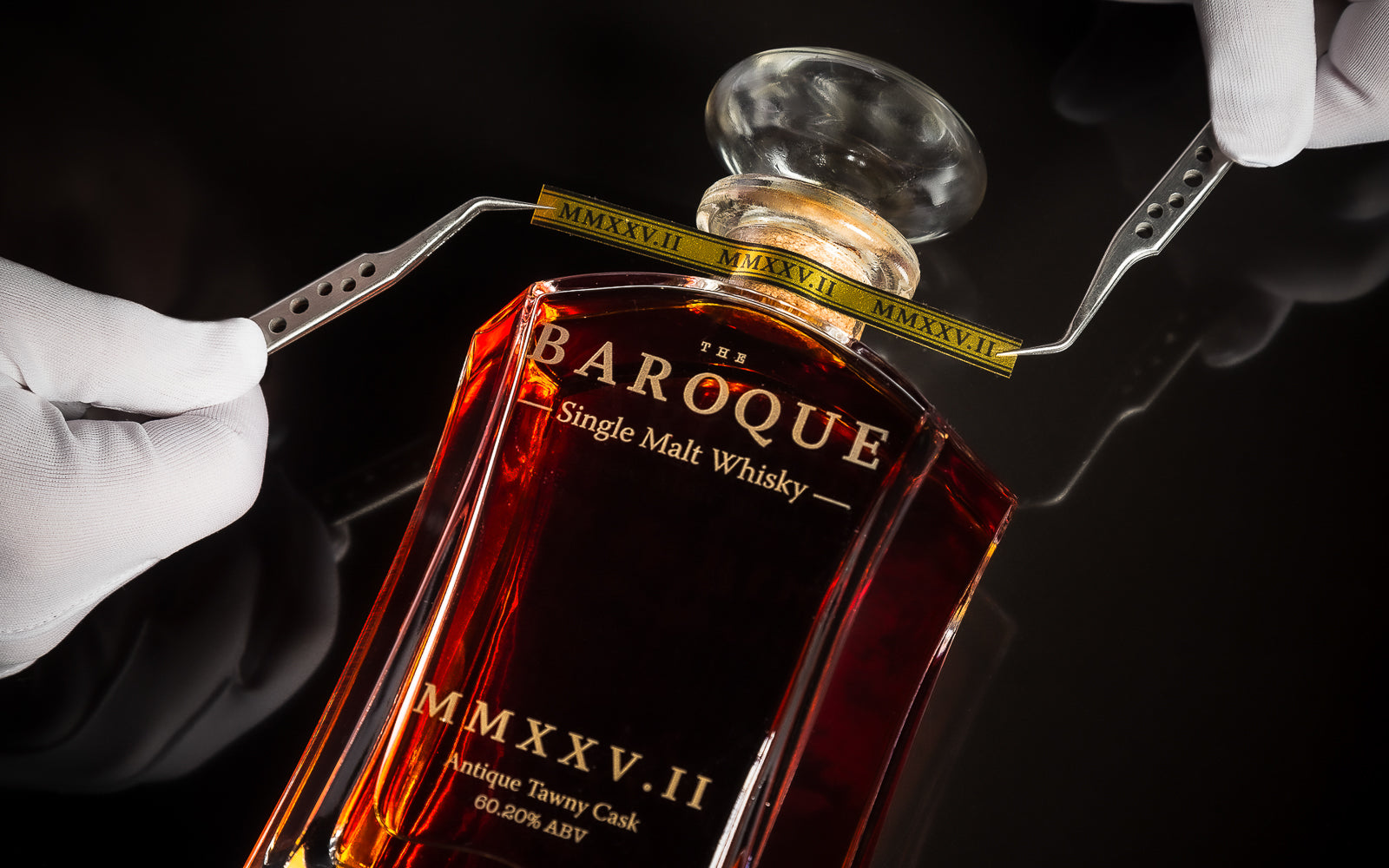
Gifts for the Whisky Collector: What to Give the Person Who Chooses Carefully
What to give a serious whisky collector: single cask releases, the right glassware and collector barware, chosen by the collector's own logic of provenance and scarcity.
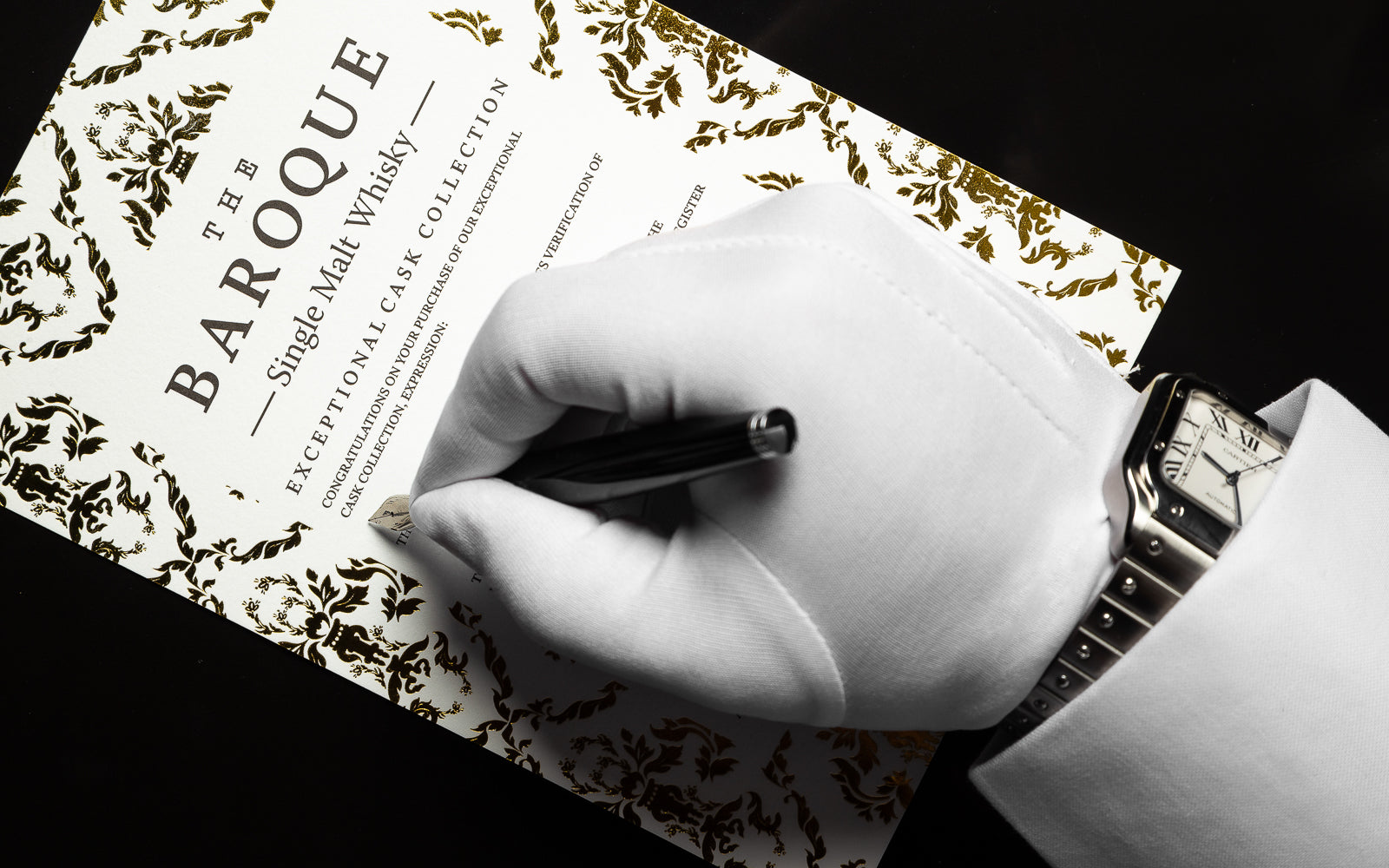
The Watch Collector's Guide to Building a Whisky Collection
Why the serious watch collector already understands whisky: the two disciplines share one logic of provenance, scarcity and patience, and where to begin a collection.
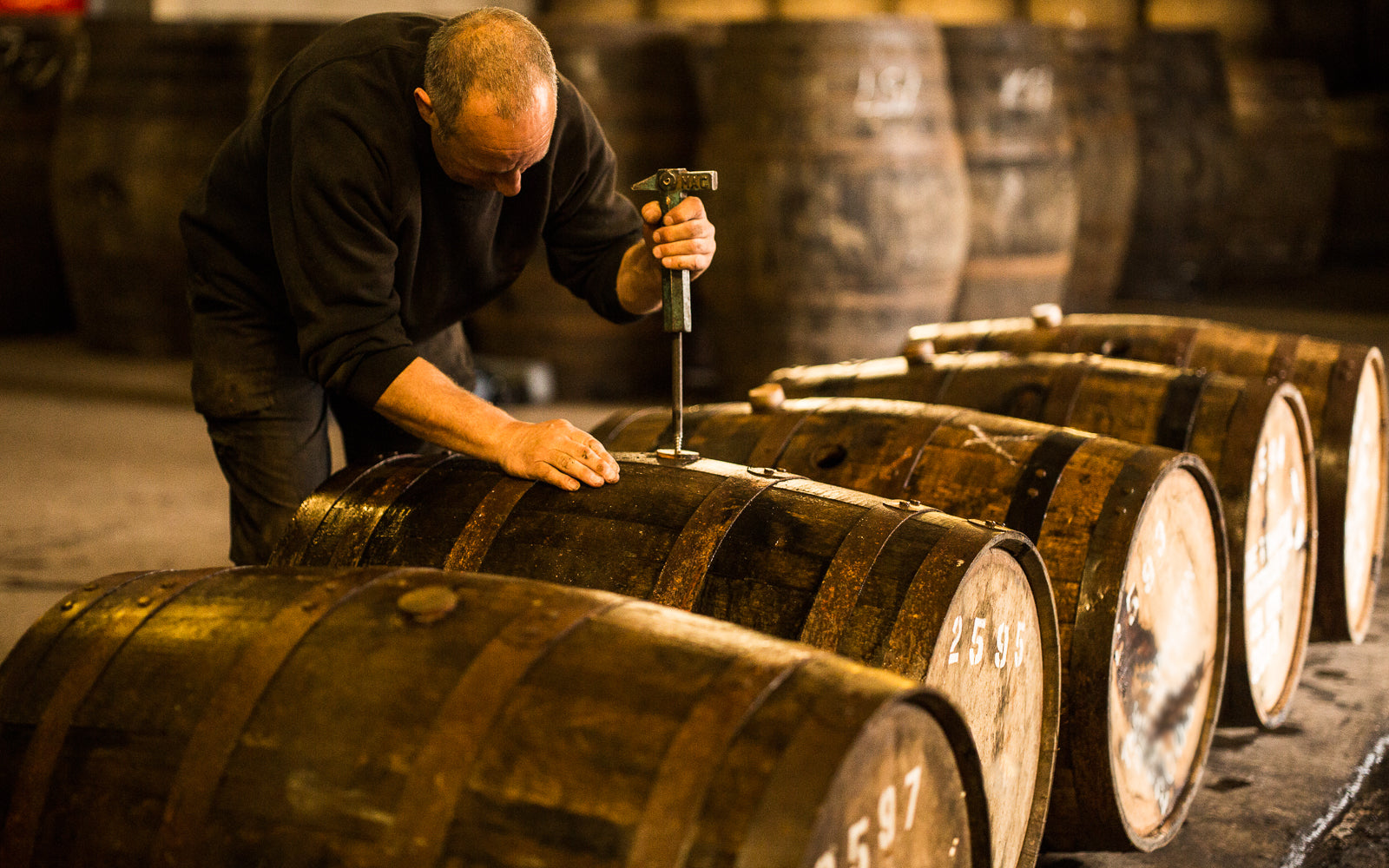
How the strongest whisky traditions evolve without losing identity, and how Australian maturation refines rather than replaces craft.
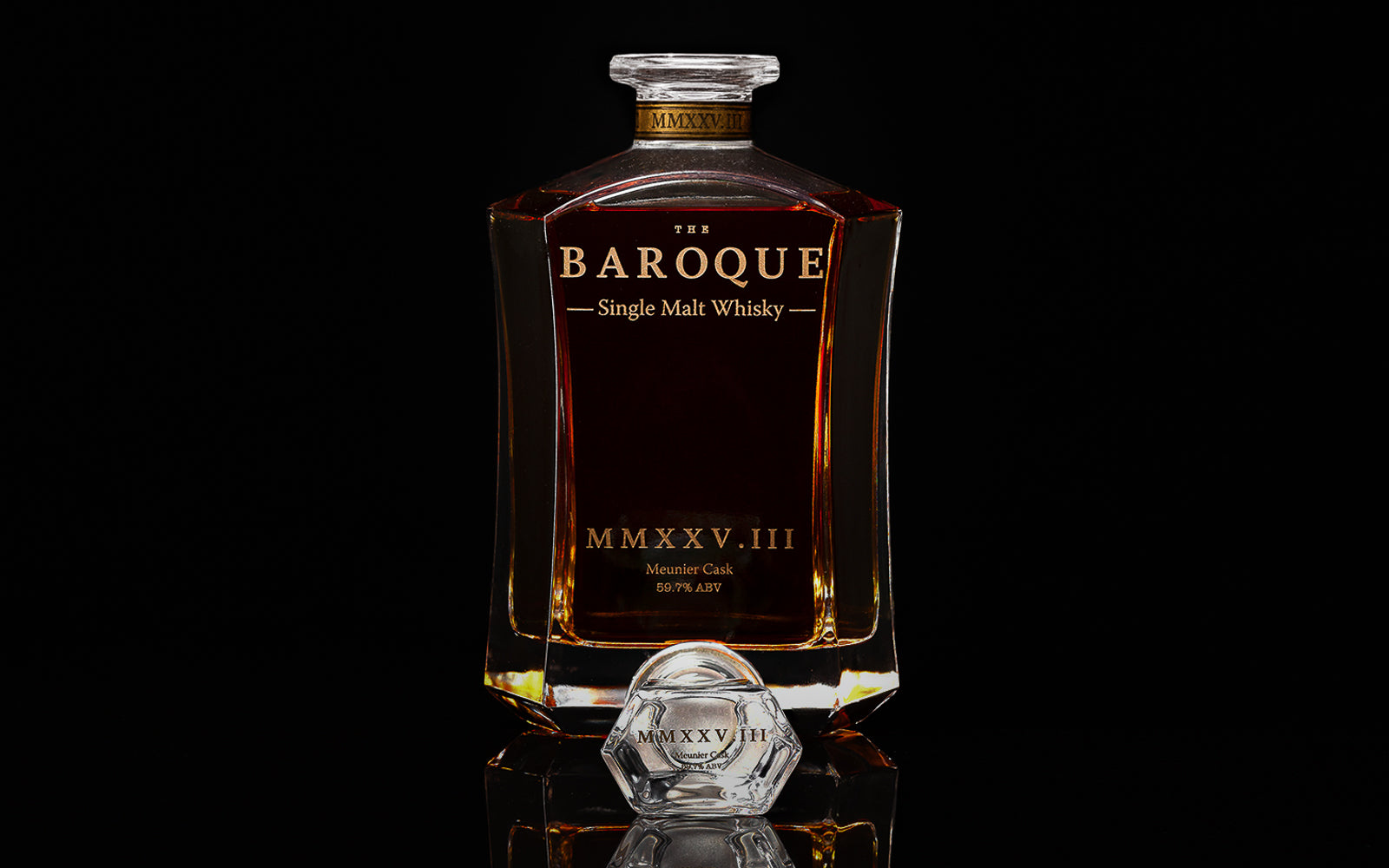
How shape, proportion and presentation become an identity recognisable without a logo for an emerging Single Malt house.
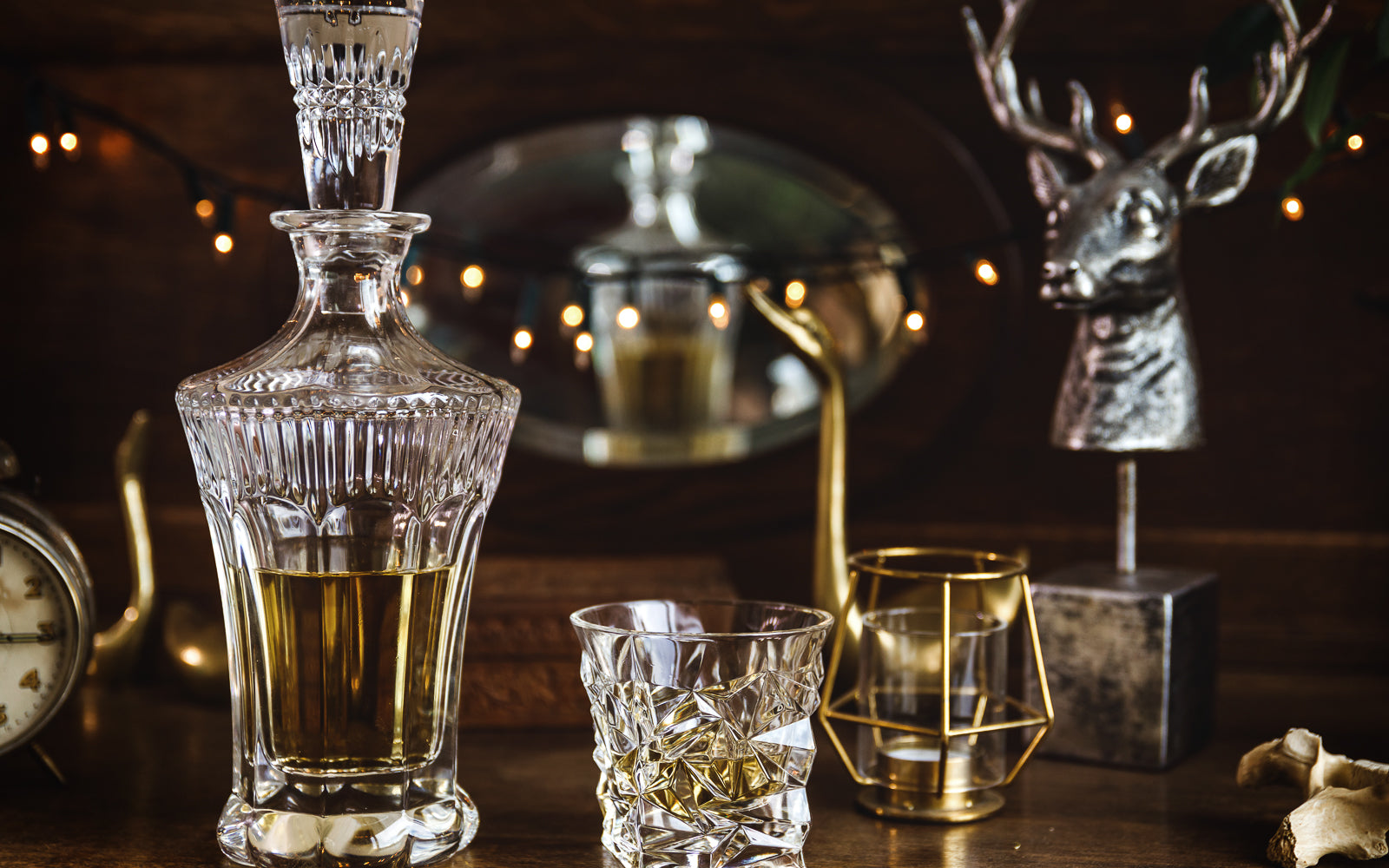
How ritual, the chosen glass and the considered pairing, turns ownership of Single Malt into participation.
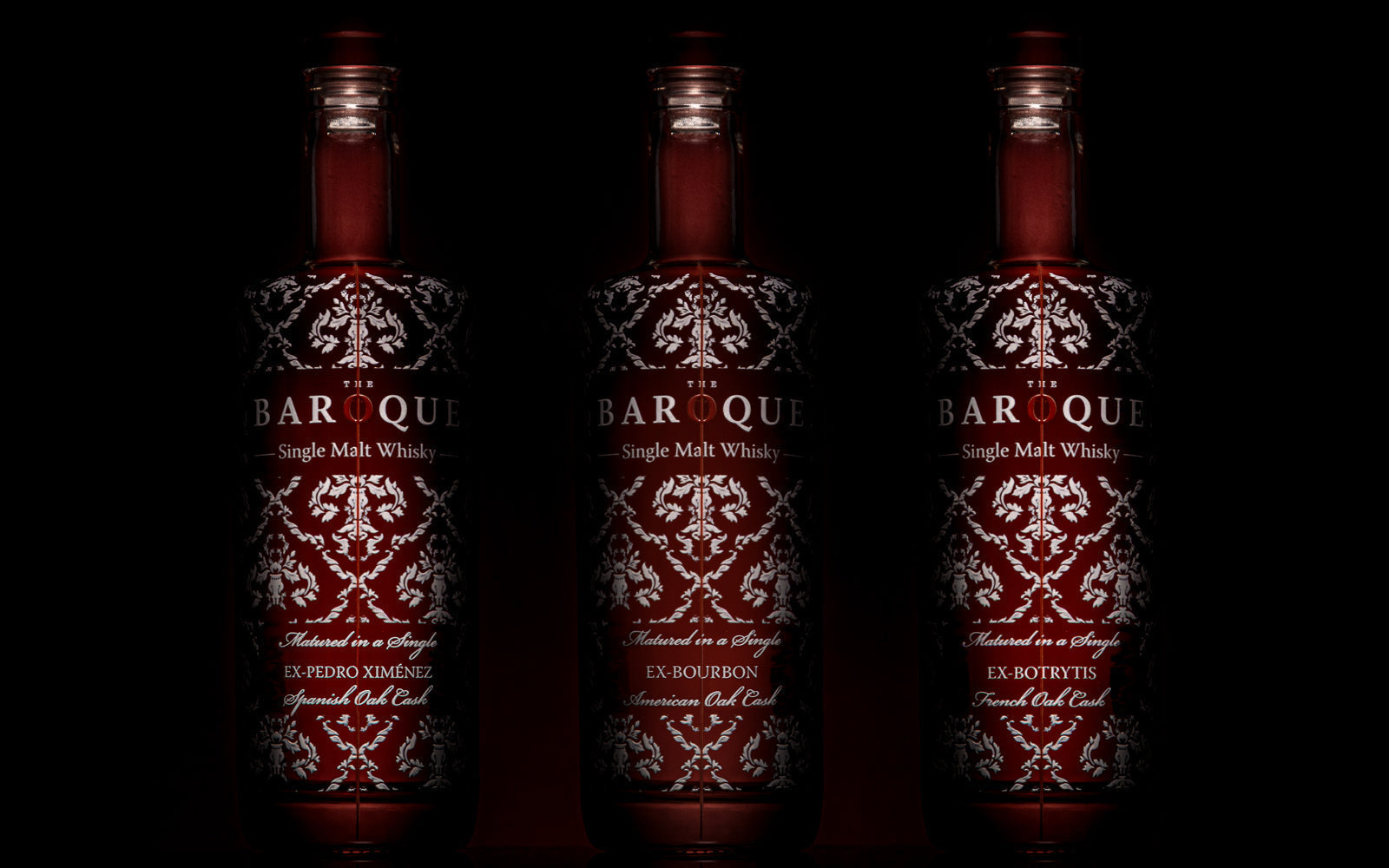
Why scarcity only carries value when it reflects discipline, and how genuine rarity emerges from standards rather than marketing.
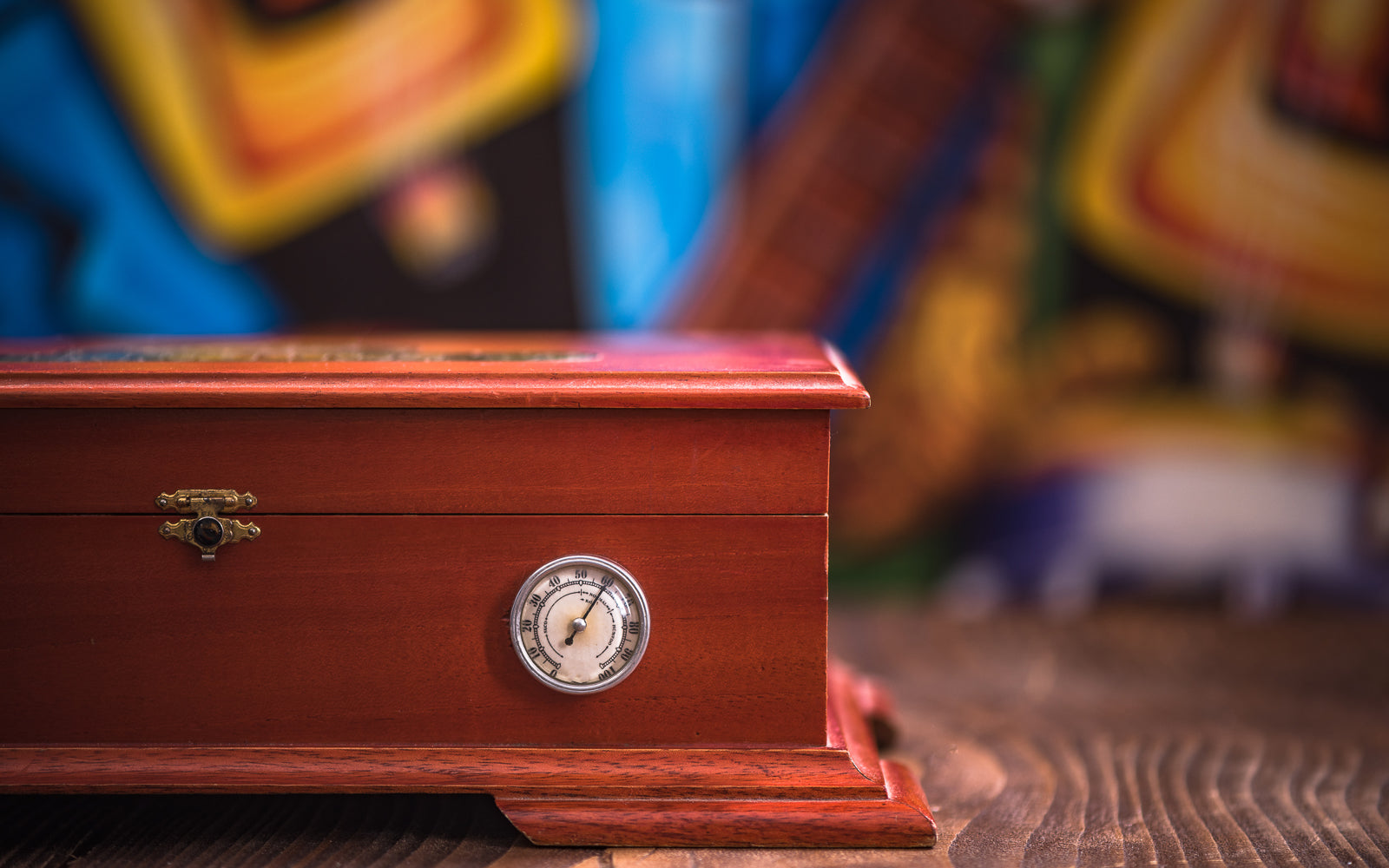
The Art of the Cigar Pairing: How to Match Smoke to Single Malt
How to pair aged cigars with Single Malt by cask type, strength and tempo, the art of two slow pleasures enjoyed together.
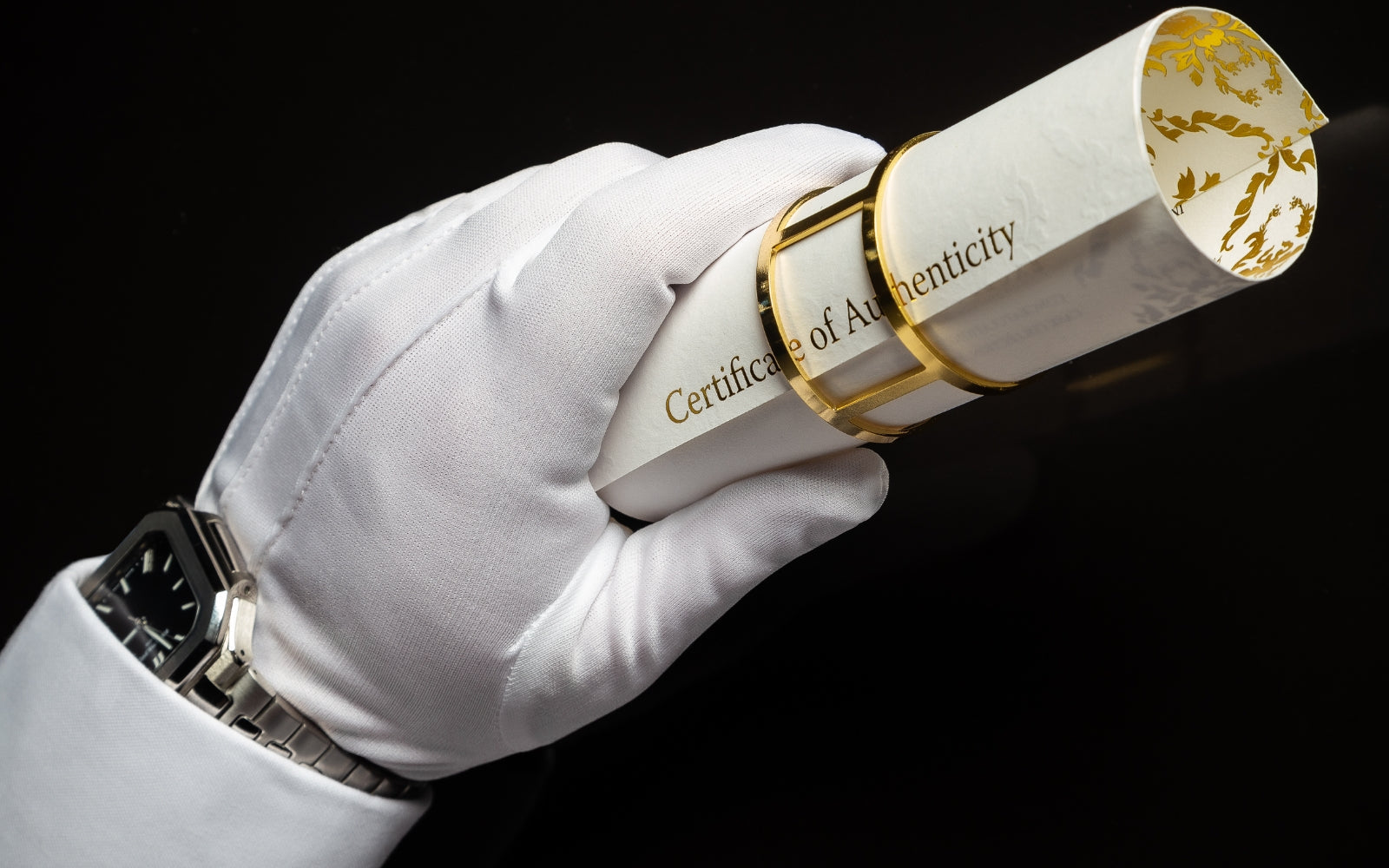
How provenance disclosure, consistent standards and transparency build the trust that turns appreciation into lasting loyalty.
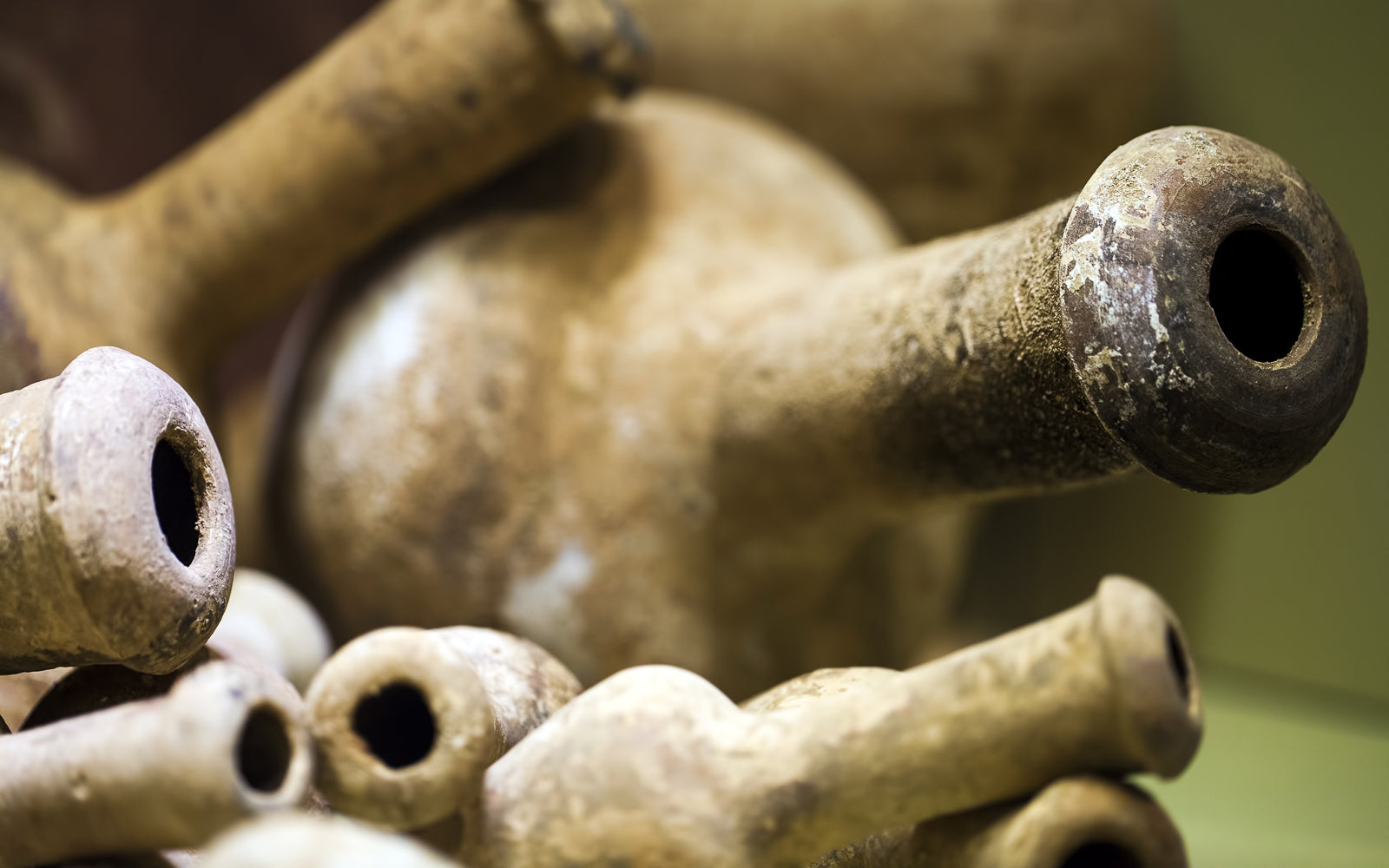
Objects That Outlive Their Makers
How provenance, documentation and stewardship let a bottle's significance outlive the liquid and span generations of collectors.
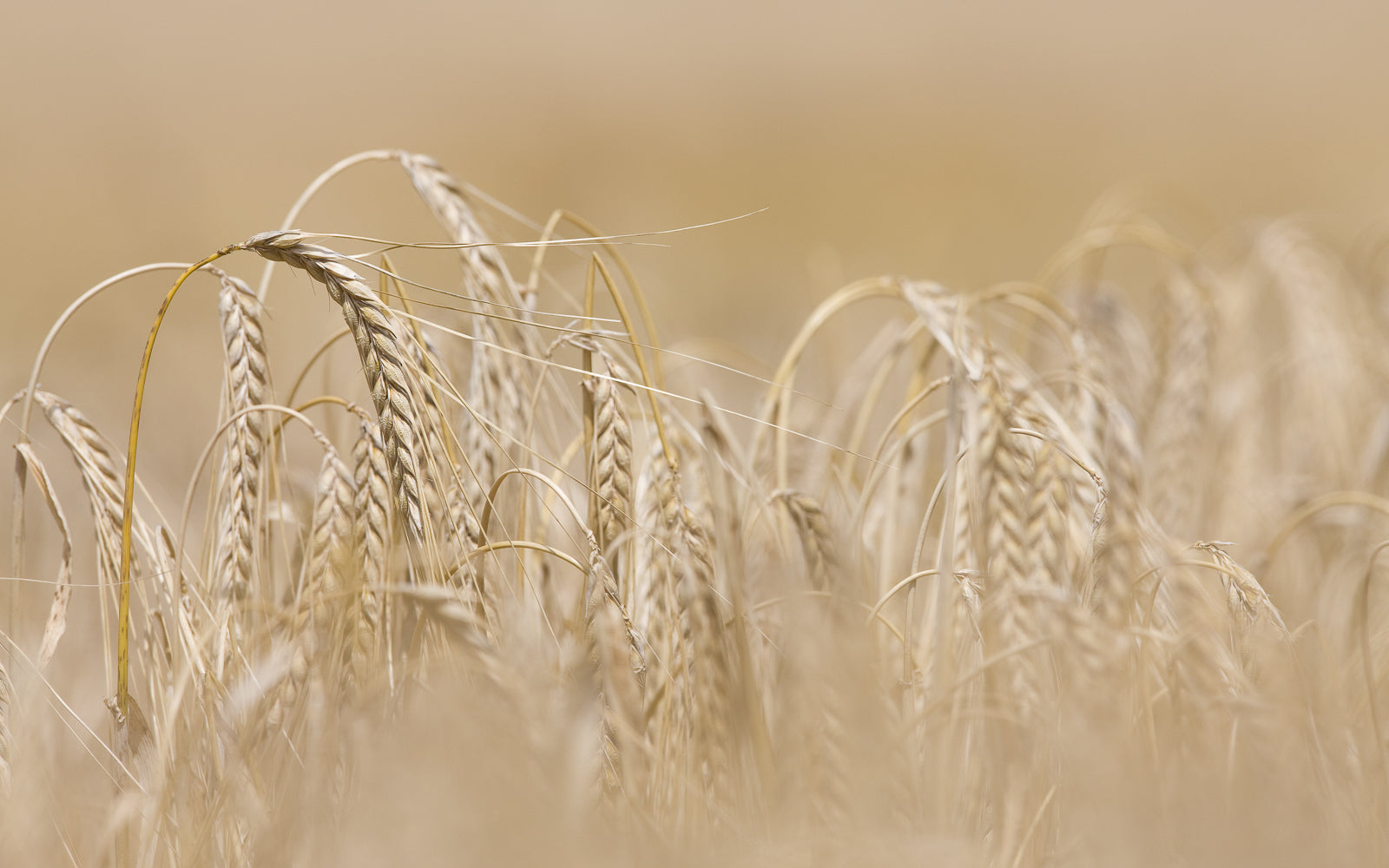
How place, the Australian climate, oak species and a cask's previous contents converge in a single bottle of whisky.

How consistency, restraint and provenance documentation turn excellence from a claim into the discipline that earns collector trust.
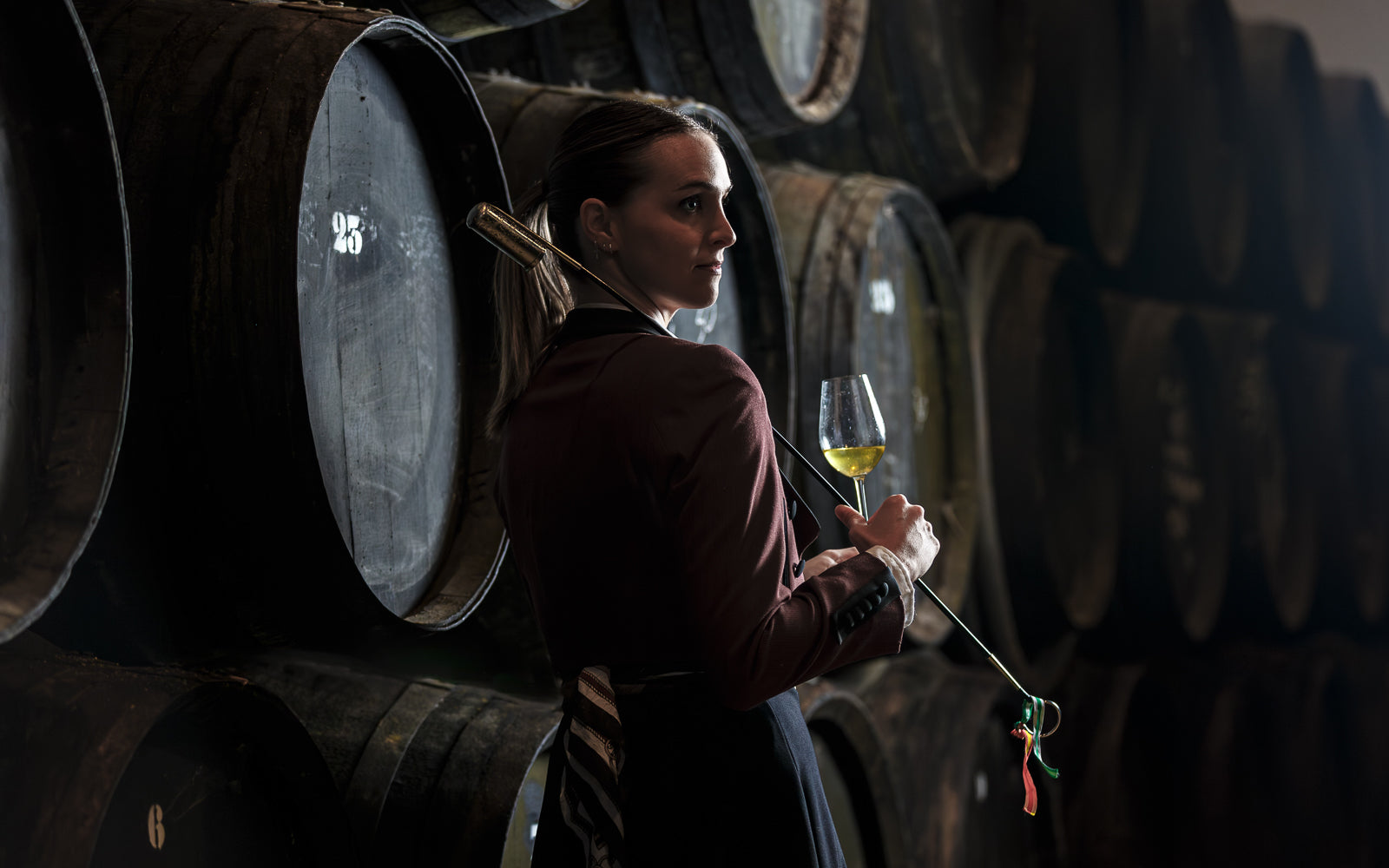
The Human Hand in an Industrial Age
Why craftsmanship is decision making rather than labour, and why collectors are drawn to evidence of human judgment.
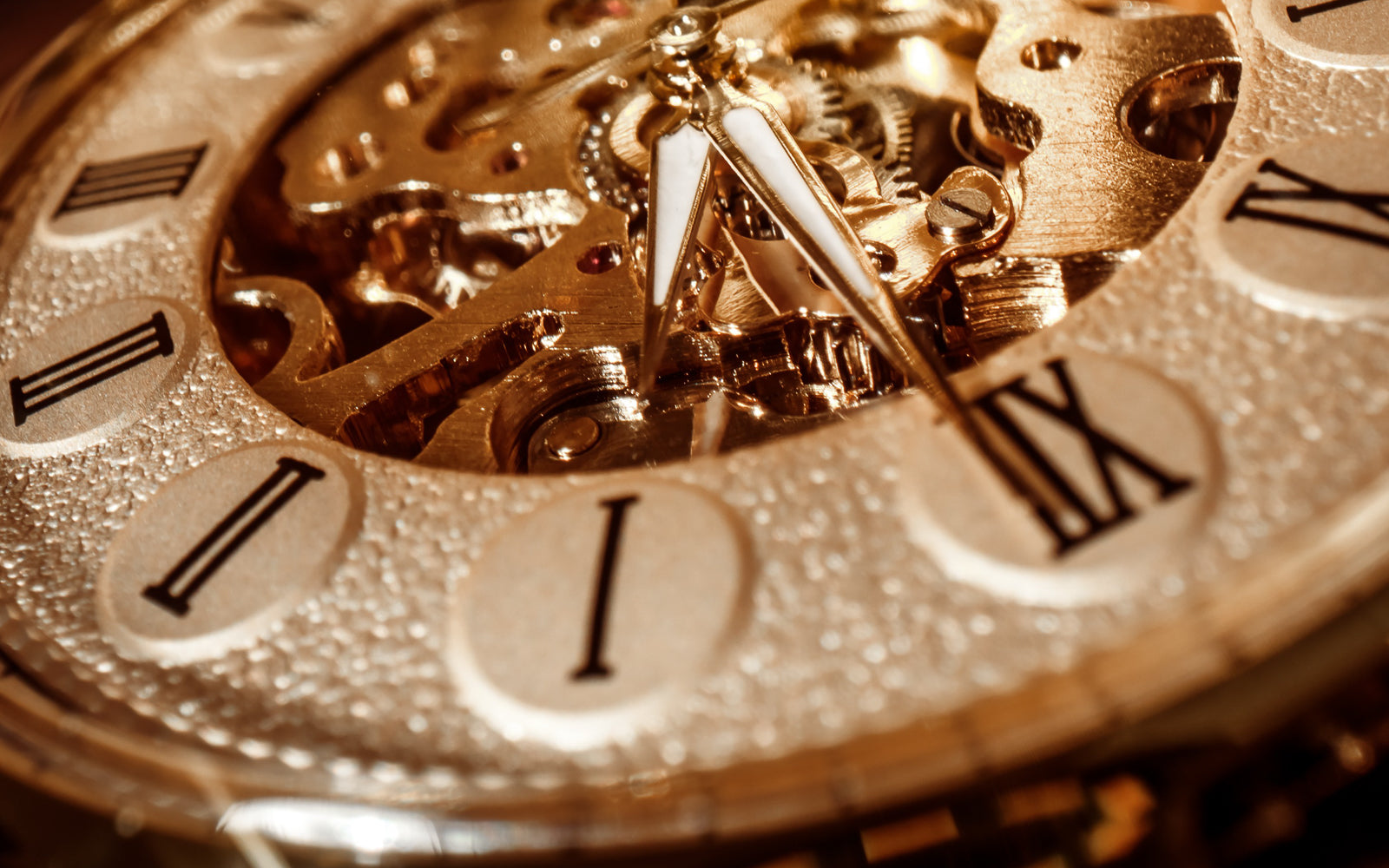
Why the Watch You Wear and the Whisky You Collect Say the Same Thing
The serious watch collector and the serious whisky collector share one logic: patience, genuine scarcity, and meaning that accumulates over time.

How Whisky is Judged: The Competitions, the Criteria, and What the Medals Actually Mean
How blind whisky judging actually works, what a gold medal reliably signals, and why provenance matters more than awards.

Building a Private Whisky Cellar: What to Consider Before You Buy Your First Case
Storage, provenance documentation, allocation access and depth versus breadth: what to weigh before buying your first case of Australian Single Malt.
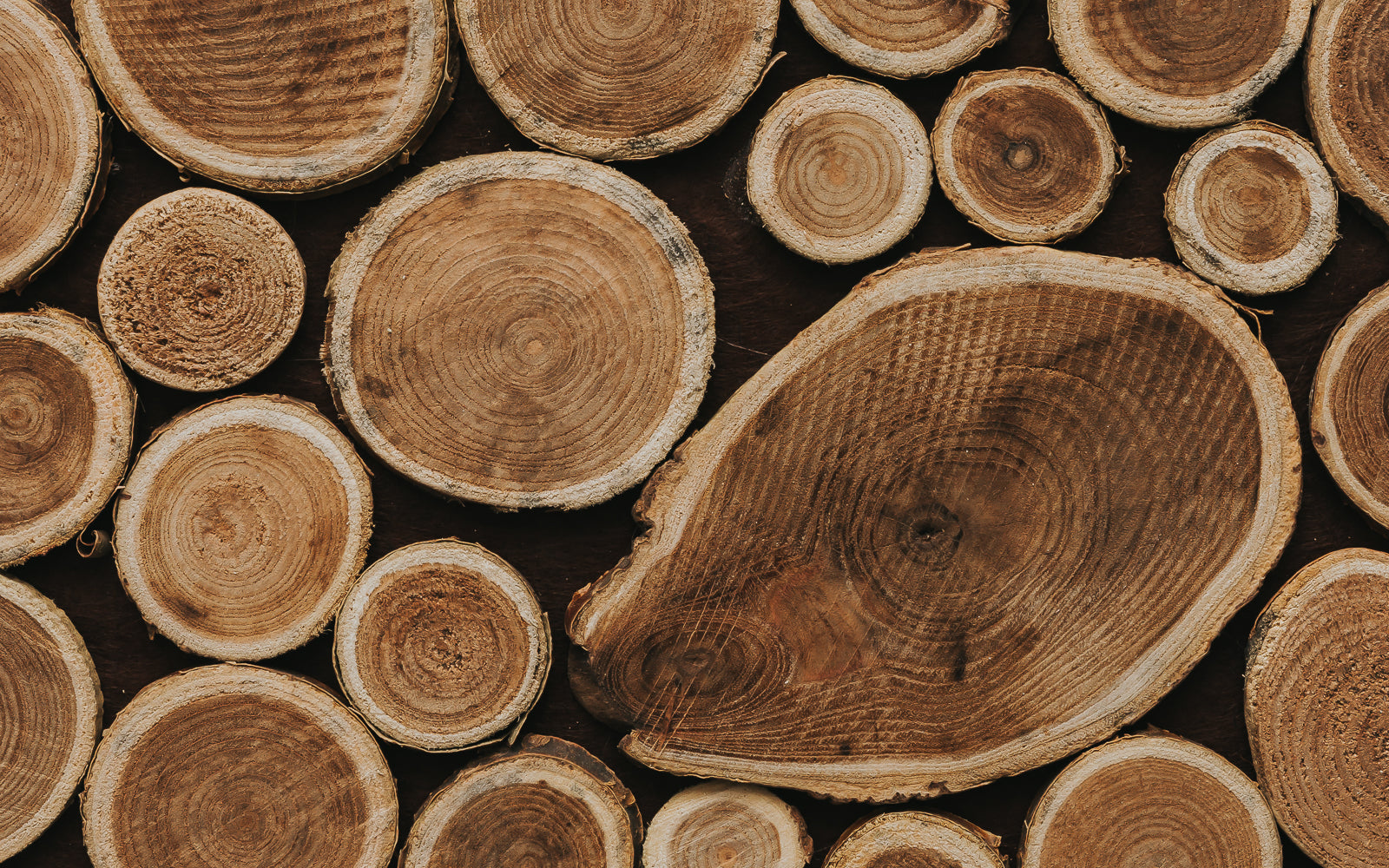
The Five Cask Types Every Serious Whisky Collector Should Know
A working guide to the five cask types that shape Australian Single Malt character and collector value, and what each contributes to flavour, texture and provenance.
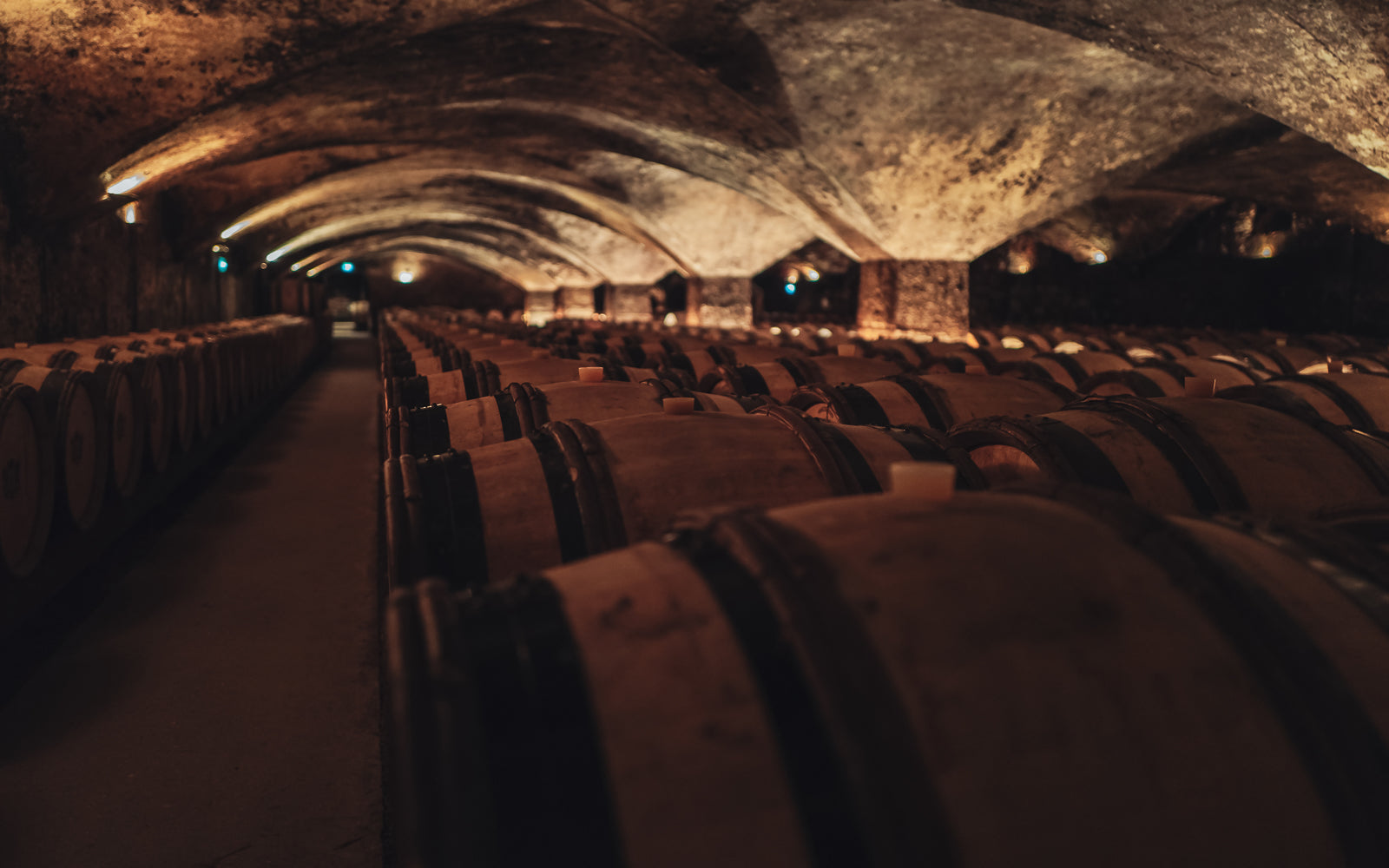
The Provenance Question: Why Where a Cask Came From Matters as Much as What Was in It
Oak species, grain, seasoning and fill history: the real variables behind single cask quality that most collectors overlook.