
The Rituals That Define Us
Ownership is often described as the culmination of a journey. A collector identifies an object, studies it, pursues it and eventually acquires it. From the outside, this appears to be the conclusion of the story. Yet experienced collectors understand that acquisition is rarely the endpoint. More often, it is the beginning of a different relationship, one that gradually transforms ownership into participation.
This distinction explains why the world's most respected luxury houses devote so much attention to experiences that exist beyond the object itself. They understand that enduring loyalty is rarely built through products alone. It emerges through rituals, traditions and communities that give ownership a deeper sense of meaning. The object may provide the initial point of entry, but it is the culture surrounding the object that often determines whether the relationship endures.
Why ritual deepens appreciation
Collectors have always been drawn to ritual. Ritual introduces structure into appreciation. It encourages individuals to slow down, observe more carefully and engage more deeply with the things they value. A watch collector may spend time studying a movement through a loupe before placing the watch on their wrist. A classic car enthusiast may dedicate hours to preparing a vehicle for a weekend drive. A wine collector may spend years cellaring a bottle before deciding the moment is right to open it. These actions are not necessary from a purely functional perspective. Their value lies in the meaning they create.
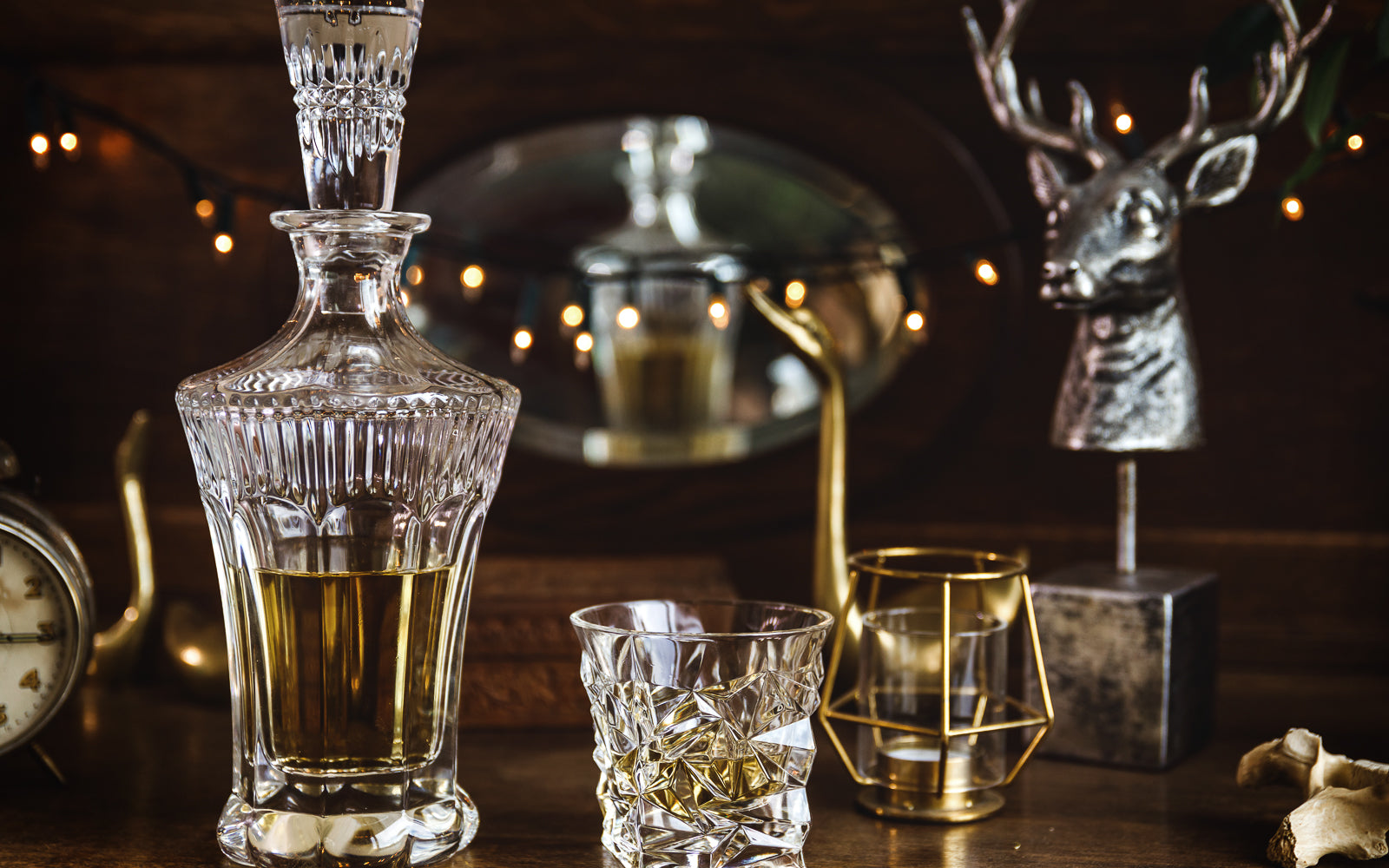
The same principle applies to whisky. The act of pouring a dram requires only seconds. Yet collectors often transform that simple act into something far more substantial. Glassware is selected deliberately. Context is considered. Company is chosen carefully. Conversations develop around the whisky rather than merely alongside it. The experience becomes memorable not because of the mechanics of consumption, but because of the ritual surrounding it. Even the choice of Glencairn glassware is part of that deliberate attention.
This relationship between ritual and appreciation helps explain why certain objects remain culturally significant long after their practical functions have become secondary. Ritual encourages engagement. Engagement creates memory. Memory creates attachment. Over time, these attachments become inseparable from the object itself. Collectors are often not merely preserving the object. They are preserving the experiences associated with it.
Ownership as participation
At The Baroque Single Malt Whisky Company, this understanding influences how we think about ownership. We do not view whisky solely as a product to be consumed. We view it as a catalyst for experiences that extend beyond the bottle. The whisky provides the foundation, but the meaning emerges through the ways in which collectors choose to engage with it. This philosophy sits behind many of the systems and initiatives that surround the house, from the Allocation Registry to The Baroque Journal and the various pairing programmes designed to encourage deeper appreciation.
The Allocation Registry, for example, serves a purpose that extends beyond access to future releases. It creates continuity between collectors and the evolving story of the house. Participation becomes part of the experience. Collectors gain access not only to finite releases and provenance disclosures, but also to a deeper understanding of the philosophies and decisions that shape each bottling. The relationship becomes more meaningful because it is built upon engagement rather than transaction alone.
The same principle informs The Baroque Journal. Articles across the series exist to provide context around the objects themselves, documenting the ideas that influence the house and inviting collectors to participate in a broader conversation about craftsmanship, provenance, scarcity and stewardship. The whisky becomes part of a larger intellectual and cultural framework rather than an isolated product.
Pairing and the building of occasion
Ritual is equally important when considering the role of pairings. Through Baroque Pairings, Baroque Cigar Pairings and Food Pairings, collectors are encouraged to explore how context influences appreciation. Pairing is often misunderstood as a purely culinary exercise. In reality, its value extends much further. A thoughtfully selected pairing creates an environment that encourages attention. It slows the pace of the experience and invites deeper engagement with flavour, aroma and conversation. The whisky becomes part of a broader occasion rather than the sole focus of it. For the principles behind matching smoke to spirit, see the art of the cigar pairing.
This emphasis on occasion reflects a broader truth about collector culture. The most meaningful experiences are rarely solitary. Collectors often derive as much satisfaction from sharing knowledge as they do from acquiring objects. Conversations around provenance, craftsmanship and history become part of the enjoyment. Stories are exchanged. Perspectives are challenged. New understanding emerges. The object acts as a focal point around which a community forms.
The strongest luxury houses understand the importance of this communal dimension. They recognise that ownership becomes more valuable when it creates opportunities for connection. Private events, tastings, estate visits, collector gatherings and educational programmes all serve a similar purpose. They transform ownership into participation and participation into belonging. The collector begins to feel connected not only to the object but also to a broader culture that shares similar values.
This sense of belonging is particularly important because luxury, at its highest level, is rarely about exclusivity alone. While scarcity may contribute to desirability, the most enduring forms of collector culture are built upon shared appreciation rather than simple access. Collectors value opportunities to deepen their understanding, refine their knowledge and contribute to conversations that extend beyond the object itself. Participation becomes rewarding because it creates a sense of progression.
For Baroque, this philosophy is central to how we think about the future. Every release should do more than provide an exceptional whisky. It should contribute to a broader culture of appreciation. Every article should do more than communicate information. It should encourage curiosity. Every collector interaction should strengthen the relationship between ownership and understanding. The objective is not merely to distribute bottles. The objective is to cultivate a community united by a shared appreciation for provenance, craftsmanship and finite objects.
As discussed throughout this series, collectors are often drawn to objects that reward deeper examination. They value provenance because it provides context. They value craftsmanship because it reflects judgment. They value scarcity because it reflects restraint. Ritual brings these elements together by creating opportunities to engage with them consciously. It transforms appreciation from an abstract concept into a lived experience. Developing that sensory attention is itself a practice, as we explore in how to train your palate for Single Malt whisky.
The worlds built around objects
Ultimately, the most respected luxury houses are not defined solely by the objects they create. They are defined by the worlds they build around those objects. Their influence extends beyond production and into culture. They provide collectors with opportunities to participate in traditions, communities and experiences that enrich ownership and deepen meaning.
At The Baroque Single Malt Whisky Company, we believe that the finest objects deserve this kind of engagement. A bottle should be more than a bottle. It should be an invitation to learn, to share, to explore and to appreciate. The value of ownership lies not only in possession, but in participation. Every release represents an opportunity to contribute to an ongoing story shaped by collectors, conversations and experiences.
For this reason, ritual remains one of the most powerful forces in collector culture. It transforms objects into occasions, occasions into memories and memories into traditions. Over time, those traditions become part of the identity of both the collector and the house. They create continuity between people, objects and ideas. They remind us that the most meaningful forms of ownership are rarely passive.
They are lived.
They are shared.
And they are remembered.
Continue exploring
- Baroque Pairings, cigar and food pairings to build the occasion
- The Art of the Cigar Pairing
Leave a comment
This site is protected by hCaptcha and the hCaptcha Privacy Policy and Terms of Service apply.