
Why the Watch You Wear and the Whisky You Collect Say the Same Thing
There is a recognisable type of collector.
Not defined by what they collect, but by how they collect. By the quality of attention they bring to an object. By the patience with which they acquire, the care with which they store, and the deliberateness with which they eventually use or display what they have gathered. This person is as likely to own a Patek Philippe as a cask-strength Single Malt. As likely to have a fountain pen from a Kyoto craftsman as a bottle of aged Tawny-cask whisky from South Australia.
The overlap between serious watch collectors and serious whisky collectors is not coincidental. These two pursuits share a structural logic that goes beyond surface aesthetics.
Both reward patience
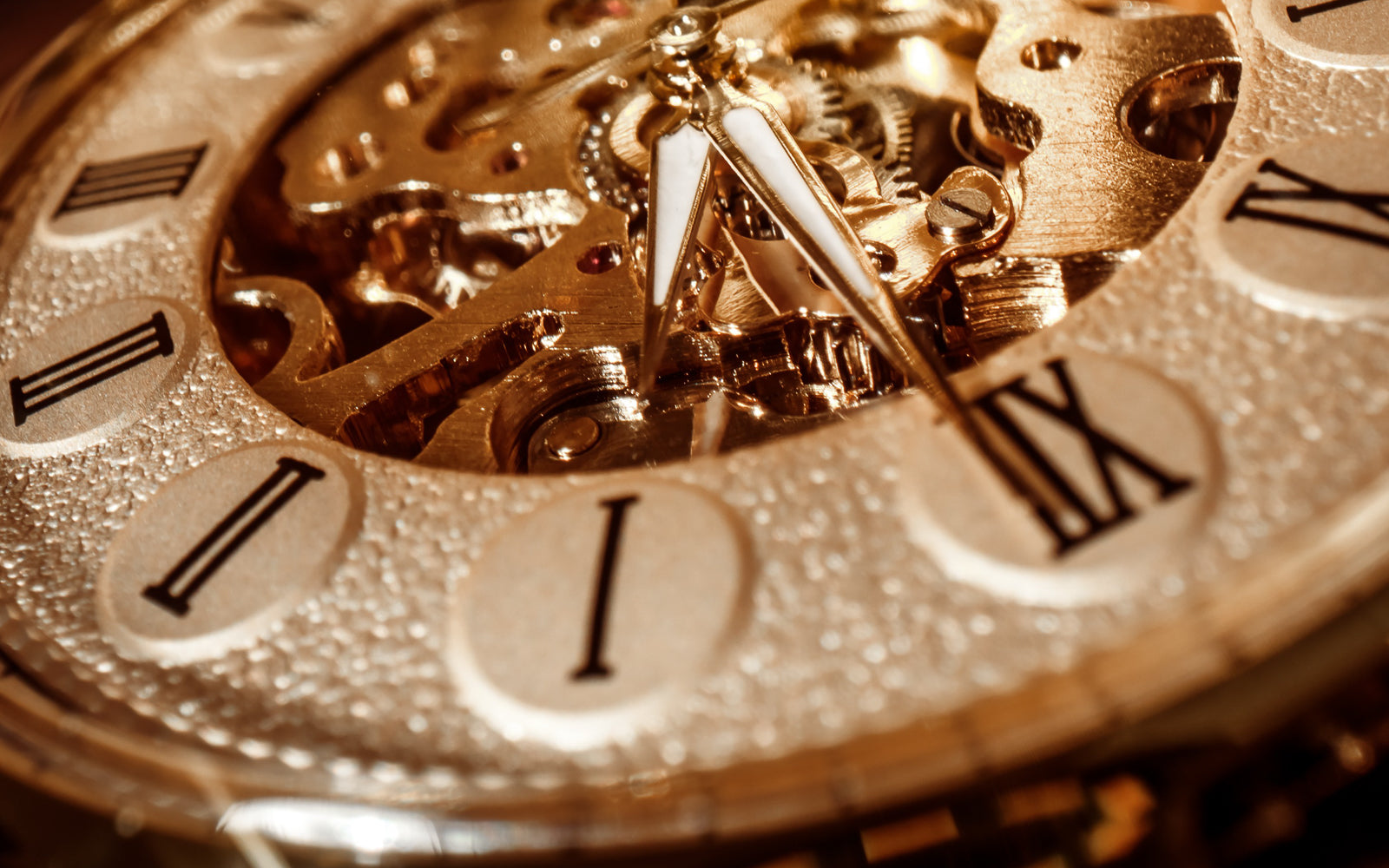
Both reward patience. A mechanical timepiece from a great manufactory takes years to produce. The movement, sometimes comprising hundreds of components, is assembled by hand, adjusted to tolerances measured in fractions of a second per day, and cased with materials selected for permanence rather than economy. The collector who understands this does not simply buy a watch. They acquire an object whose value is inseparable from the intelligence and time invested in its creation. Australian single cask whisky matured correctly operates on a similar logic. Climate, cask provenance, fill strength, evaporation, and time interact over years before a distiller determines that a cask has reached structural equilibrium, the standard behind the Exceptional Cask Collection. The patience required from both creator and collector is part of what gives these objects meaning.
Both are finite
Both are finite. A grande complication from an independent Swiss manufacture may be produced in edition sizes of a few dozen pieces worldwide. A first-fill ex-Pedro Ximénez single cask, after years of Australian climate-driven evaporation, may yield fewer than sixty individually numbered bottles, as in the Single Ex-Pedro Ximénez Spanish Oak Cask. In both cases, scarcity is not manufactured for marketing purposes. It is an unavoidable consequence of making things correctly at small scale with uncompromising standards. Once a horological edition is closed or a whisky cask is bottled, that precise combination of decisions, materials, and time cannot be replicated. The collector who understands this difference, between artificial scarcity and the genuine article, collects with a different awareness.
Both reward knowledge
Both reward knowledge. The watch collector who understands the history of the Calatrava case, the evolution of the perpetual calendar mechanism, or the distinct character of Geneva-made versus Le Locle-made movements occupies a different relationship with their collection than one who follows resale values. Similarly, the whisky collector who understands the difference between first-fill and refill casks, who recognises the aromatic contribution of European versus American oak, or who appreciates the specific challenge of balancing extraction in Australian maturation conditions, that collector holds their bottles differently. That fluency starts with knowing the five cask types every serious collector should know. Knowledge transforms acquisition from consumption into connoisseurship.
Both accumulate meaning over time
Both accumulate meaning over time. A watch worn daily for twenty years carries history that cannot be purchased with money: the repair records, the scratches from specific moments, the patina on the dial that marks the passage of real time. Whisky equally accumulates meaning in the bottle. A release from a particular vintage year, matured through specific seasonal conditions, bottled at a cask strength that will slowly soften with air exposure, these details compound as years pass. The collector who understands this buys with consideration for what an object will mean later, not only what it costs now, which is the whole discipline of building a private whisky cellar.
There is also something shared in the sensory dimension. A well-made mechanical watch rewards physical attention: the smoothness of the crown, the weight of the case, the sound of a good winding mechanism or the drop of a lever against a banking pin. Single malt whisky matured in exceptional casks rewards equivalent attention: the development of colour in the glass, the evolution of aroma across minutes of exposure to air, the way texture shifts between the first and second taste. Both objects give more to those who slow down and pay attention, a habit explored in how to train your palate for Single Malt whisky.
The collector drawn to both is, in a sense, drawn to the same thing expressed through different disciplines. Craft executed with patience and precision. Objects shaped by time rather than merely produced within it. Permanence in a world that has very little patience for either. This is the same parallel we draw in the vintage sports car and the single cask.
At Baroque Whisky, we have always understood that our natural audience is not the casual spirits consumer. It is the collector who already knows the difference between a piece made with care and one made at scale. The rest follows naturally.
Continue exploring
- The Exceptional Cask Collection, numbered ultra-premium single casks
- Building a Private Whisky Cellar
- The Five Cask Types Every Serious Whisky Collector Should Know
Leave a comment
This site is protected by hCaptcha and the hCaptcha Privacy Policy and Terms of Service apply.