
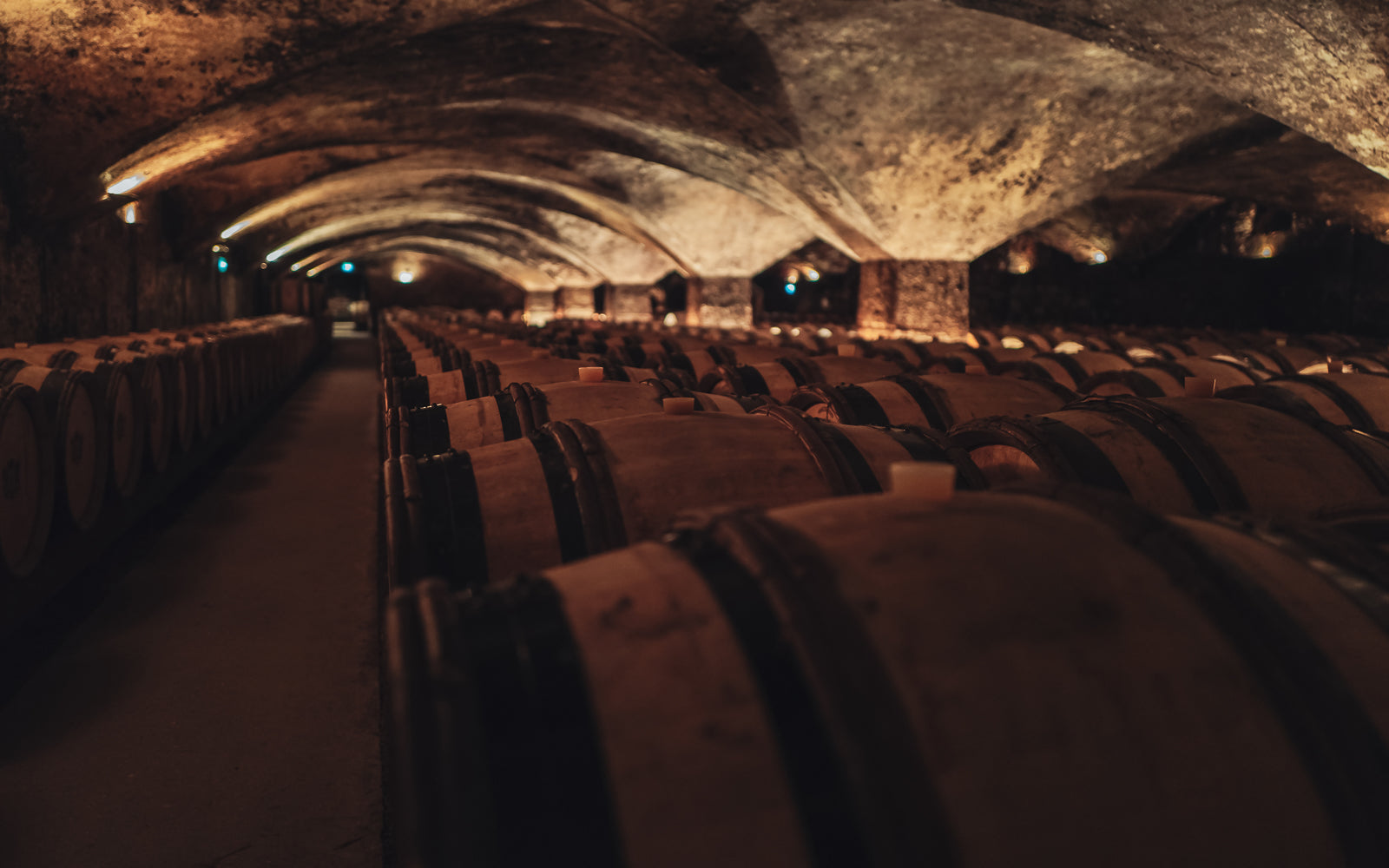
The Provenance Question: Why Where a Cask Came From Matters as Much as What Was in It
In whisky collecting, the question of cask provenance is frequently reduced to a single variable: the previous contents.
Ex-Bourbon. Ex-Sherry. Ex-Port. These designations tell part of the story. They describe what liquid occupied the cask before the whisky was filled, and that liquid unquestionably leaves a residue such as aromatic compounds, sugars, tannins, and structural elements that interact with the incoming spirit throughout maturation. A first-fill ex-Oloroso cask will contribute dark dried fruit, walnut, and substantial textural weight in ways that a standard American oak cask will not. This much is understood, and it is the starting point for the five cask types every serious collector should know.
But cask provenance is a considerably more complex subject than previous contents alone, and the collector who understands only that variable is working with incomplete information.
Oak species
Oak species is the foundational variable. American white oak (Quercus alba) and European sessile oak (Quercus robur) are the two dominant species used in whisky maturation, and they behave very differently. American white oak has tight, regular grain, high vanillin content, and relatively low tannin extraction rates. It is stable, predictable, and produces the vanilla, caramel, and toasted coconut characters that define Bourbon-influenced maturation, as in the Single Ex-Bourbon American Oak Cask. European sessile oak has looser, more variable grain, higher tannin levels, and faster initial extraction rates. It contributes darker, more complex flavours such as dried fruit, spice, polished wood and an earthy structure, yet demands more careful management, particularly in Australian conditions where the elevated maturation rate can accelerate tannin extraction beyond the balance point. The Single Ex-Pedro Ximénez Spanish Oak Cask shows that European oak register at its most composed. French oak (most commonly Quercus petraea) is a third distinct category: tighter grained than European sessile oak, with lower tannin extraction and a more delicate aromatic contribution that tends toward honeyed fruit and elegant spice, the signature of the Single Ex-Botrytis French Oak Cask.
Within each oak species, grain tightness varies substantially between individual trees and between forest regions. Tightly grained oak extracted from forests at higher altitude and slower growth rate interacts with spirit more slowly and more precisely than wide grained oak from faster growing lowland timber. A cooperage that sources oak carefully and grades its staves by grain will produce casks of greater consistency and predictability than one that does not. This variability is invisible in the designation on the label but is entirely visible in the glass to a taster who has built the reference to recognise it, a skill explored in how to train your palate for Single Malt whisky.
Seasoning duration
Seasoning duration matters in ways that are rarely communicated to collectors. After staves are cut and dried, they are typically seasoned in the open air for a period that varies between cooperages and varies with the intended use of the cask. Wine casks destined for sherry production may be seasoned for two years or more before coopering. Casks seasoned for shorter periods retain more of the green tannins that produce harsh, astringent characteristics in the early stages of maturation. Properly seasoned staves produce casks that contribute structured, integrated tannin from the outset. The difference between a well-seasoned and a poorly seasoned cask of otherwise identical specification can be substantial.
Fill history
Fill history compounds all of these variables across successive uses. A first-fill cask is one that has held only its previous contents (the wine or spirit specified in the designation) before receiving whisky. A second-fill cask has held two previous liquids. A third-fill cask, three. With each successive filling, the active compounds available for extraction diminish. The residual wine character fades. The oak's contribution becomes progressively more structural and less flavour-forward. A third-fill ex-Sherry cask is a fundamentally different maturation vessel from a first-fill example of the same specification, and it will produce fundamentally different whisky across the same maturation period under the same conditions. The same logic governs the rare wine casks behind the Exceptional Cask Collection, including the Antique Tawny Cask and the Meunier Cask editions.
Why it all matters more in Australia
In Australian maturation specifically, all of these variables are amplified. The elevated temperature variation that drives wood expansion and contraction, the accelerated extraction that results from that movement, and the substantial evaporation rates that concentrate the spirit as volume reduces. These conditions intensify the effect of every cask variable. A high-quality, well-seasoned, first-fill cask of known provenance becomes an extraordinary vessel in Australian conditions. A low-quality or poorly seasoned cask becomes an extraordinary problem.
At Baroque Whisky, cask selection precedes every other production decision, and the criteria applied go substantially beyond the designation of previous contents. Oak species, grain characteristics, cooperage provenance, seasoning duration, fill history, and physical condition are assessed before any cask is accepted. This is not a marketing position. It is a production necessity. The quality of what is in the glass at the end of maturation is inseparable from the quality of the vessel that shaped it across every day of its development. It is also why provenance documentation sits at the heart of building a private whisky cellar.
Provenance is not a story told after the fact. It is the decision made before the spirit enters the wood.
Continue exploring
- The Premium Range, single cask whiskies of documented provenance
- The Exceptional Cask Collection, the MMXXV ultra-premium editions
- The Five Cask Types Every Serious Whisky Collector Should Know
Leave a comment
This site is protected by hCaptcha and the hCaptcha Privacy Policy and Terms of Service apply.